 how-to
9 Steps to Verify a Used Car Inspection Report
Quick Summary
To verify a used car inspection report, first match its VIN against the dashboard and driver's door jamb, then compare mileage with the odometer and history records. Next, confirm the inspector is named, qualified, and independent, and check that the report is complete and original.
- Every VIN on the report, dashboard, and door jamb should match exactly, character for character.
- Compare reported mileage against the odometer and any history records to catch rollbacks.
- A vehicle history report and an inspection report do different jobs, so use both.
- Ask for the original report from the inspector, not only from the seller.
- Walk away from any report whose mileage or damage notes appear altered.
Table of Contents
- Why Verifying an Inspection Report Matters Before You Buy
- Step 1 to 3: Confirm the Report Matches the Vehicle
- Vehicle History Report vs. Inspection Report: What Each One Tells You
- Step 4 to 6: Check the Inspector and the Report Itself
- Pre-Purchase Inspection Checklist and Red Flags to Watch For
- Step 7 to 9: Use Lookup Tools and Decide What to Do Next
- Booking Your Independent Check Before Signing at Rusty Eck Ford
- Frequently Asked Questions
Verifying a used car inspection report is one of the most useful things a buyer can do before signing. A report is only as good as the vehicle it describes, and a report can be misread, incomplete, or even altered.
Most buyers trust the paperwork they are handed. That is a mistake worth avoiding. The steps below help you confirm that the identity, mileage, and condition details line up, and they explain what to do when something does not.
Why Verifying an Inspection Report Matters Before You Buy
An inspection report is a snapshot taken at one moment, by one person, under one set of conditions. Reports can be outdated, sloppy, or mismatched to the wrong vehicle. The goal of verification is to confirm that the report describes this car, this mileage, and this history.
A common mistake is treating a clean-looking report as proof of a clean car. Check the report first, then check the car. The two should agree on the basics.
Step 1 to 3: Confirm the Report Matches the Vehicle
Start with identity. If the report describes a different vehicle, nothing else on it matters. Work through the first three steps before you look at any repair notes.
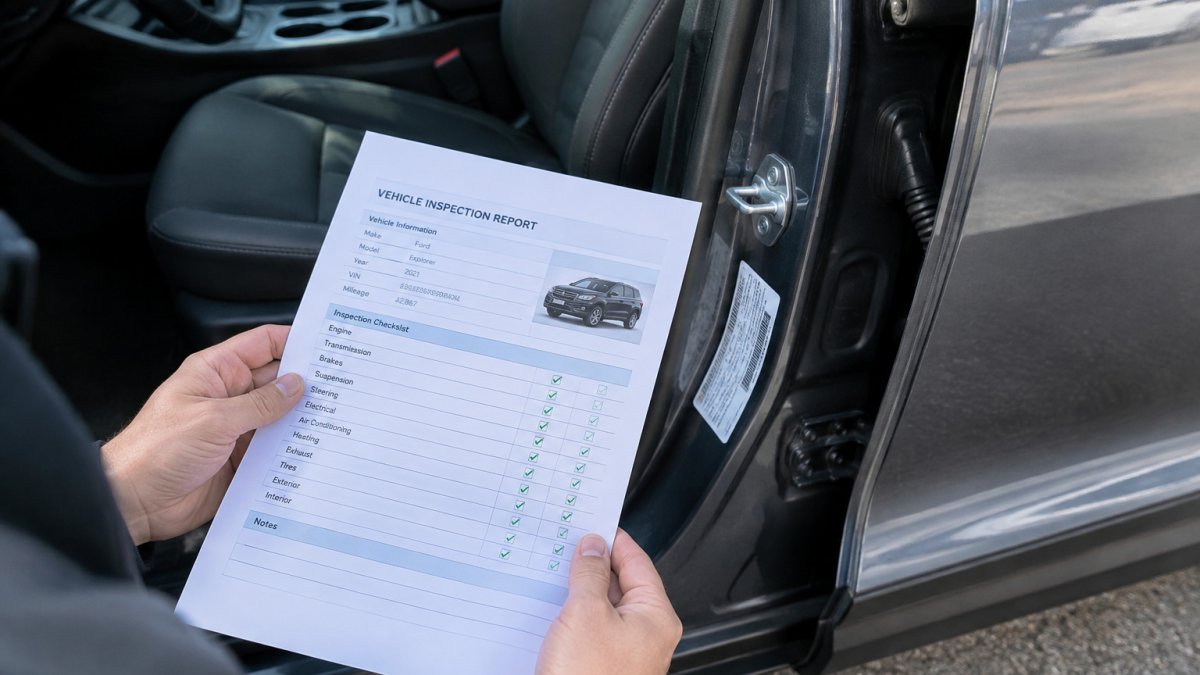
Match the VIN on the report, dashboard, and door jamb
The vehicle identification number (VIN) is a 17-character code that identifies one specific vehicle. Compare the VIN on the report against the VIN printed on the driver's-side dashboard, visible through the windshield, and the sticker on the driver's door jamb.
- Every VIN should match exactly, character for character
- Watch for swapped or transposed digits, especially 0 and O or 1 and I
- Confirm the model year, make, and model listed on the report match the car
If any VIN differs, stop and ask the seller or dealer to explain before going further.
Compare mileage against the odometer and history records
Next, compare the reported mileage against the odometer and against any other mileage records. Mileage that goes backward, or that makes no sense for the car's age, is a warning sign.
- Note the odometer reading on the day you inspect the car
- Check the mileage on the inspection report and any history report
- Look for gaps or sudden jumps between records taken months apart
Mileage that does not line up across sources can point to a rollback or a report pulled for the wrong vehicle. Treat the discrepancy as a question, not a verdict, and get a clear answer.
Vehicle History Report vs. Inspection Report: What Each One Tells You
These two documents do different jobs, and buyers often confuse them. A vehicle history report comes from records databases. It tracks title events, reported accidents, odometer readings logged over time, and ownership changes.
Use both. The history report can show a salvage title or a reported accident that the inspection did not catch. The inspection can reveal worn brakes or a leak that no database would record.
Federal guidance points buyers to the National Motor Vehicle Title Information System (NMVTIS) for title and odometer data, and Federal Trade Commission used car buying guidance recommends checking title status before purchase. For a fuller walkthrough of reading these reports, see how to check a used car history report.
Step 4 to 6: Check the Inspector and the Report Itself
A report is only useful if the person who wrote it was qualified, independent, and actually looked at this car. This section covers how to authenticate the report's source, scope, and integrity rather than treating the paperwork as automatically genuine. Confirming the credentials of the inspector is a critical first step, much like the process used to verify auto repair work to ensure that all documented maintenance claims reflect the actual condition of the vehicle.
Verify the inspector's credentials and independence
Ask who performed the inspection, what their relationship is to the seller, and what the inspection actually covered. An inspection arranged and paid for by the seller carries a built-in conflict of interest, even when the findings are accurate.
- Confirm a named inspector, a business name, a working phone number, and a physical address you can look up
- Ask what training or certification the inspector holds and whether the shop carries liability insurance for inspection work
- Confirm the shop has no ownership, referral, or sales tie to the dealership or private seller offering the car
A common pattern is a seller-supplied "inspection" that is really a courtesy safety check performed by the selling dealership's own service department. That is not the same as an independent pre-purchase inspection, and the report should say so plainly.
Confirm the report's provenance and scope
Before you trust a single line, confirm the report is the original and that it describes this vehicle. Provenance means you can trace the document back to the inspector who signed it.
- Request the report directly from the inspector or their business, not only from the seller
- Match the report date to the inspection date and confirm the inspection happened recently enough to reflect the car's current condition
- Confirm the VIN printed on the report matches the vehicle, and that the report lists the correct year, make, model, and trim
A report that will not name the inspector, will not state its scope, or arrives only as screenshots or a text summary is not verifiable. Ask for the original or treat the findings as unconfirmed.
Look for signs of an altered, incomplete, or contradictory report
Reports can be edited, cut short, or filled with conflicting details. Read the whole document with a skeptical eye, and compare it against what you can see on the car.
- Fonts, spacing, dates, or page layouts that look inconsistent across sections
- Missing pages, unnumbered sections, or blank fields where data should be
- A "pass" rating that sits beside notes describing serious problems
When something contradicts itself, ask for the original report directly from the inspector. Do not rely on a copy handed to you by the seller, and do not accept a verbal explanation in place of a corrected document.
Pre-Purchase Inspection Checklist and Red Flags to Watch For
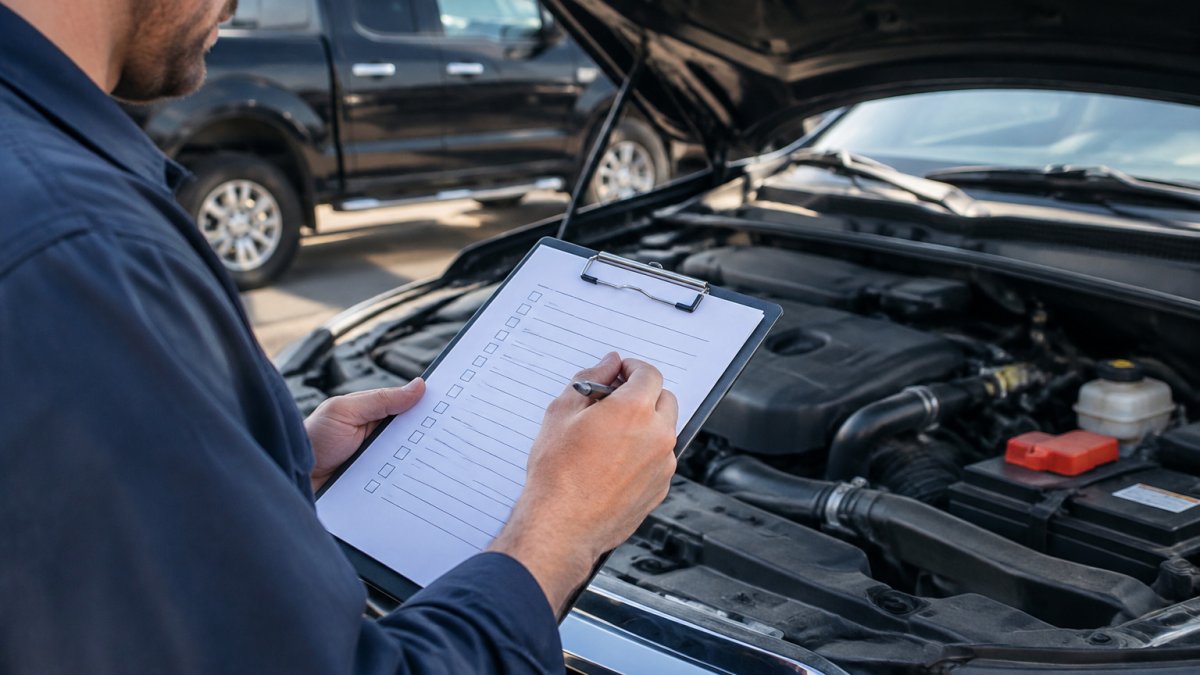
Use this checklist when you compare the report to the vehicle in person. The goal is not just to tick boxes but to confirm that every finding on the report can be matched to something you can see, hear, or read on the car itself.
Cross-check the report against the car, item by item
Work through the report line by line and match each finding to a physical location on the vehicle. If a finding cannot be matched, ask why.
- VIN on the report matches the dashboard VIN and the driver's door jamb sticker, character for character
- Model year, make, model, and trim on the report match the car and its title
- Odometer reading on the report matches the dashboard and any history records
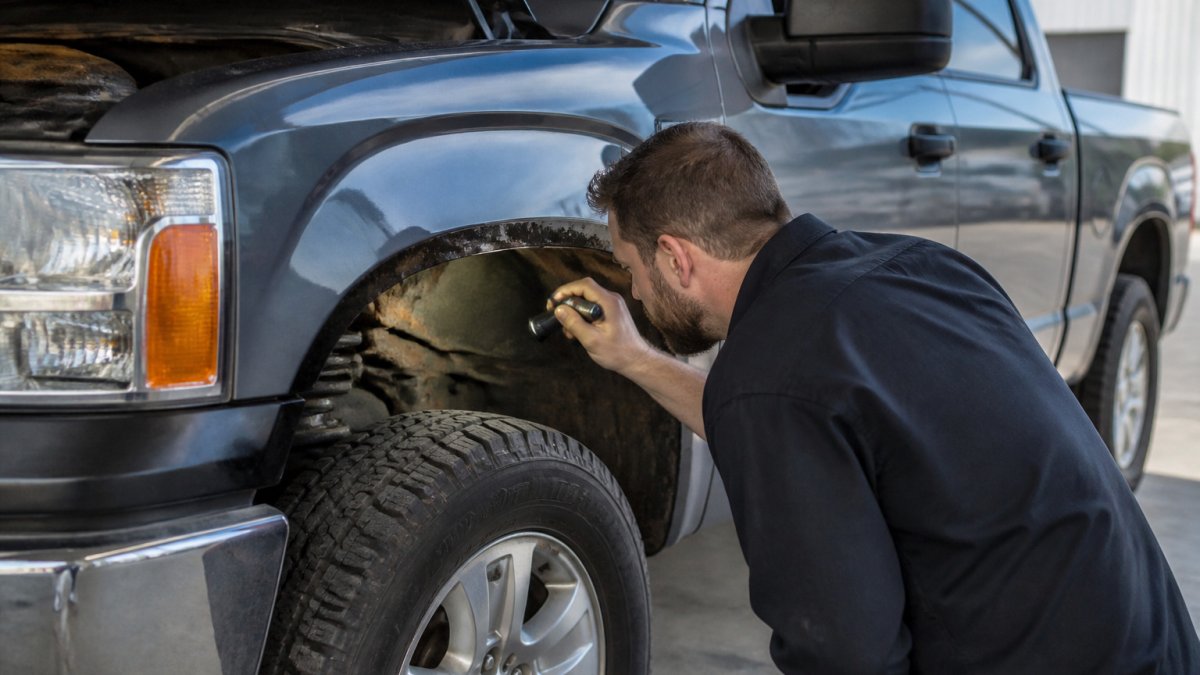
A practical method is to photograph the VIN plate, the odometer, and each panel the report flags, then compare those photos side by side with the report's photos and notes. Mismatches are easier to spot when the images sit next to each other.
Handle altered, incomplete, or contradictory reports
Not every report arrives complete. When pages are missing, details conflict, or the seller supplies only screenshots or a summary, you need a clear next step rather than a guess.
- Ask the inspector, not the seller, for a complete original with all pages and the scope statement
- Request a written explanation for any contradiction between the report and the car
- If the report is old, ask for a fresh inspection rather than relying on stale findings
- If the seller will not produce the original or authorize an independent inspection, treat the report as unverified
Watch out: a report that has been edited to remove a damage note, or one where the mileage field was changed, is a serious warning sign, and the right response is to walk away from that document and start over with an inspection you control. Hidden costs can also surface after the inspection, so review how to avoid hidden fees when buying a car before you sign.
Know what the report cannot tell you
An inspection report is not a title check, a recall check, or a warranty. It describes condition at a moment in time and within a stated scope.
Red flags deserve a pause. Watch for a rebuilt or salvage title, mismatched VINs, mileage that does not add up, a report that will not be shared in full, a scope statement that is missing or vague, and any seller who discourages an independent check.
Step 7 to 9: Use Lookup Tools and Decide What to Do Next
With the report checked against the car, use lookup tools to confirm the rest of the record. NMVTIS-approved providers can help verify title and odometer history.
Then decide. If every check lines up, the report is probably reliable and you can move forward with more confidence.
Ford owners and buyers can also review manufacturer programs. The Ford College Student Purchase Program in Wichita, KS offers eligible students and recent graduates $500 Bonus Cash, and you can verify eligibility through FordDrivesU before you shop.
Booking Your Independent Check Before Signing at Rusty Eck Ford
Before you sign, arrange an independent inspection so the report you rely on is one you trust. A local mechanic who has no tie to the sale is the best option for an unbiased read on the car.
Once you know which vehicles fit your needs, you can shop vehicles on the lot at Rusty Eck Ford to compare options.
Frequently Asked Questions
Are used car inspection results public record?
Inspection results are usually not public record. They belong to the owner of the vehicle or the party that ordered the inspection, so a seller or dealer must share the report with you directly. A vehicle history report from an NMVTIS-approved provider is different: it draws on public title and insurance loss data. To verify either document, compare the VIN, mileage, and dates against the car itself and against a separate history check before you rely on the report.
Can I check whether a used car has been inspected?
Yes, but only indirectly. Ask the seller for the inspector's name, business, and the inspection date, then confirm that the business exists and that the inspector holds a valid certification. Call the shop yourself using a number you find independently, not one printed on the report. Check that the VIN and mileage on the report match the vehicle in front of you before you accept the document as current.
What should a used car inspection report include?
A complete report lists the VIN, odometer reading, date, and inspector details, then covers the engine, transmission, brakes, tires, suspension, electrical systems, body panels, frame, paint, and fluid leaks. It should note any diagnostic trouble codes read with a scan tool and any warning lights. Reports that skip the VIN, leave sections blank, or describe no findings at all deserve extra scrutiny and a second inspection by an independent mechanic.
Should I get an independent inspection if the seller provides a report?
Yes. A report supplied by the seller was ordered by the seller, so it may leave out problems or describe the car more favorably than it deserves. An independent mechanic you choose and pay directly gives you an unbiased check of the current condition. The mechanic can confirm whether the findings on the seller's report still apply.
Rusty Eck Ford has served the Wichita community since 1953, offering new Ford vehicles and quality pre-owned cars and trucks. Verifying the report before you buy is the smartest step you can take, and a careful check protects your money and your peace of mind on the road ahead.