 blog
How to Decide If Buying a Used Car Is Worth It in 2026
Last Updated: October 26, 2026
Quick Summary
Buying a used car in 2026 is worth it only when you compare total cost, not sticker price alone. The average 3-year-old used car cost $32,461 in the second quarter of 2026, and used loan rates near 12% APR versus about 7% for new cars can erase the savings. Run a history report, book an independent inspection, and compare borrowing costs before you commit.
- Average price of a 3-year-old used car hit $32,461 in the second quarter of 2026.
- Used-car loan rates near 12% APR far exceed new-car rates of about 7% APR.
- Pull the vehicle history report before you drive to the lot.
- Book an independent pre-purchase inspection before you buy.
- Know your market value and walk-away number before you negotiate.
Table of Contents
- Used vs. New Car in 2026: What the Numbers Say
- Is Buying a Used Car Worth It in 2026?
- The Used Car History Report: What It Reveals Before You Buy
- Your Used Car Inspection Checklist for a Smarter Purchase
- How to Negotiate a Used Car Price Without Guesswork
- Financing a Used Car: Interest Rates and the Cost of Borrowing
- Choosing the Right Pre-Owned Vehicle for Your Family or Business
- Schedule a Test Drive at Rusty Eck Ford
- Frequently Asked Questions
Used vs. New Car in 2026: What the Numbers Say
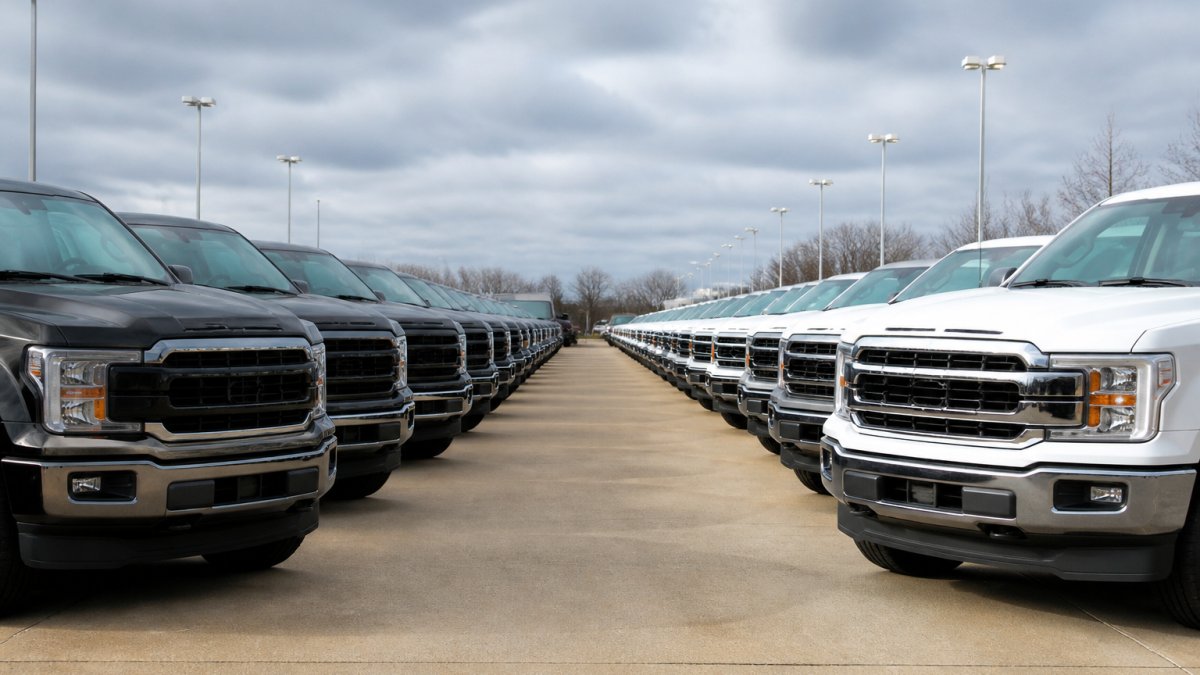
Is buying a used car worth it in 2026? For many Wichita drivers, the answer comes down to one number: $32,461. That is the average price of a 3-year-old used car in the second quarter of 2026, according to Edmunds data reported by Consumer Reports. That figure topped pandemic-era highs.
So the old math, where a lightly used vehicle meant instant savings, no longer works the way it once did. This guide breaks down the trade-offs: purchase price, financing, depreciation, and long-term costs. Below, you will find checklists and negotiation tactics to help make the decision clearer.
A quick definition helps here. A used car is any previously owned vehicle sold outside its original new-car transaction, and its value depends on age, mileage, condition, and history. New cars carry factory warranties and the latest tech. Used cars carry lower sticker prices but more variables.
Here are the key figures the article cites for the 2026 used-versus-new decision.
| Item | Value | Note |
|---|---|---|
| Average price, 3-year-old used car | $32,461 | Second quarter of 2026, per Edmunds data |
| Average used-car loan rate | Near 12% APR | Reported by CarEdge for 2026 |
| Average new-car loan rate | About 7% APR | Reported by CarEdge for 2026 |
| Loan term in rate comparison | 60 months | Rate gap adds real money to used side |
Is Buying a Used Car Worth It in 2026?
Whether buying a used car is worth it in 2026 depends on the vehicle and the buyer's circumstances. Compare total cost, not sticker price alone.
Where a Used Car Saves Money
Depreciation is one factor to consider when comparing new and used vehicles.
Other factors to consider include insurance costs, future depreciation, and how the vehicle fits your budget.
Where a New Car Can Cost Less Over Time
Financing flips the math. CarEdge reports average loan rates near 12% APR for used cars versus about 7% APR for new ones in 2026, per CarEdge's new-versus-used analysis. Over a 60-month loan, that rate gap adds real money to the used-car side.
New and used vehicles can differ in warranty coverage, features, repair needs, and ownership costs.
For a closer look at how certified pre-owned fits into this value math, see Certified Pre-Owned vs Used Car Benefits: 2026 Guide.
The Used Car History Report: What It Reveals Before You Buy
A vehicle history report can include information about a car's past, such as title status, accidents, odometer readings, and service events. It may not include every relevant detail.
What to scan first:
- Salvage or rebuilt titles. These signal major past damage.
- Odometer rollback or inconsistencies. Mileage should climb steadily.
- Accident and airbag deployment records. Frame damage is the concern.
- Service gaps. Long stretches with no records deserve questions.
Pull the report before you drive to the lot. For a full walkthrough of how to read one, see How to Check a Used Car History Report: 2026 Guide.
Your Used Car Inspection Checklist for a Smarter Purchase
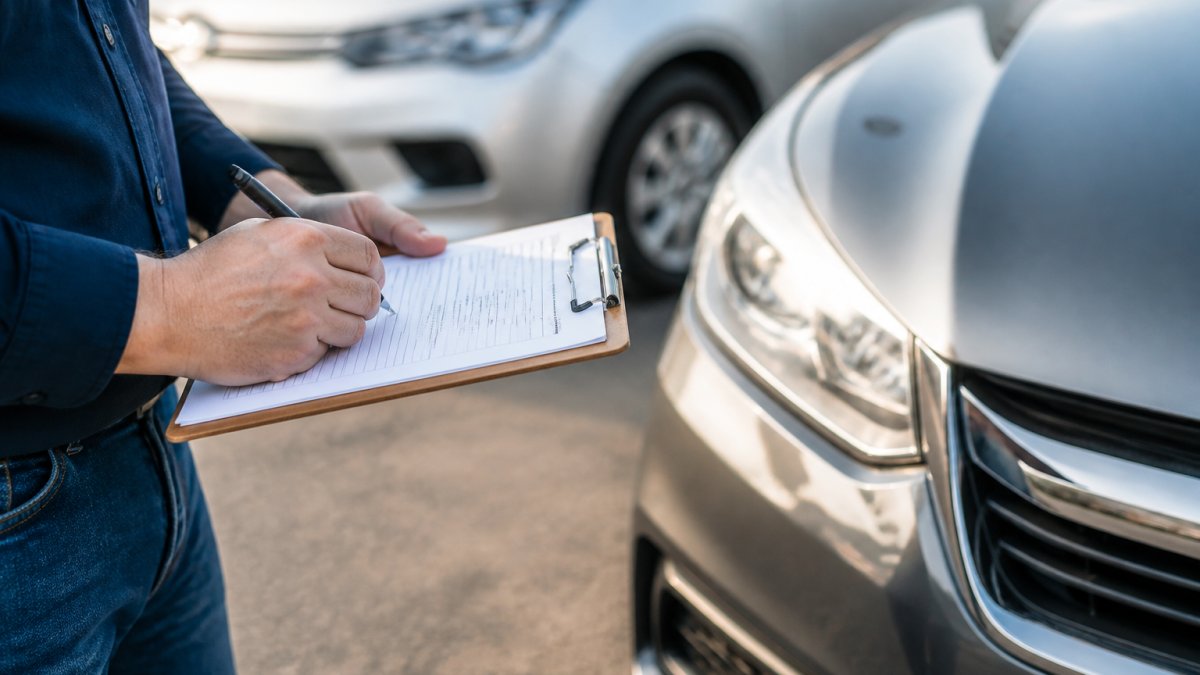
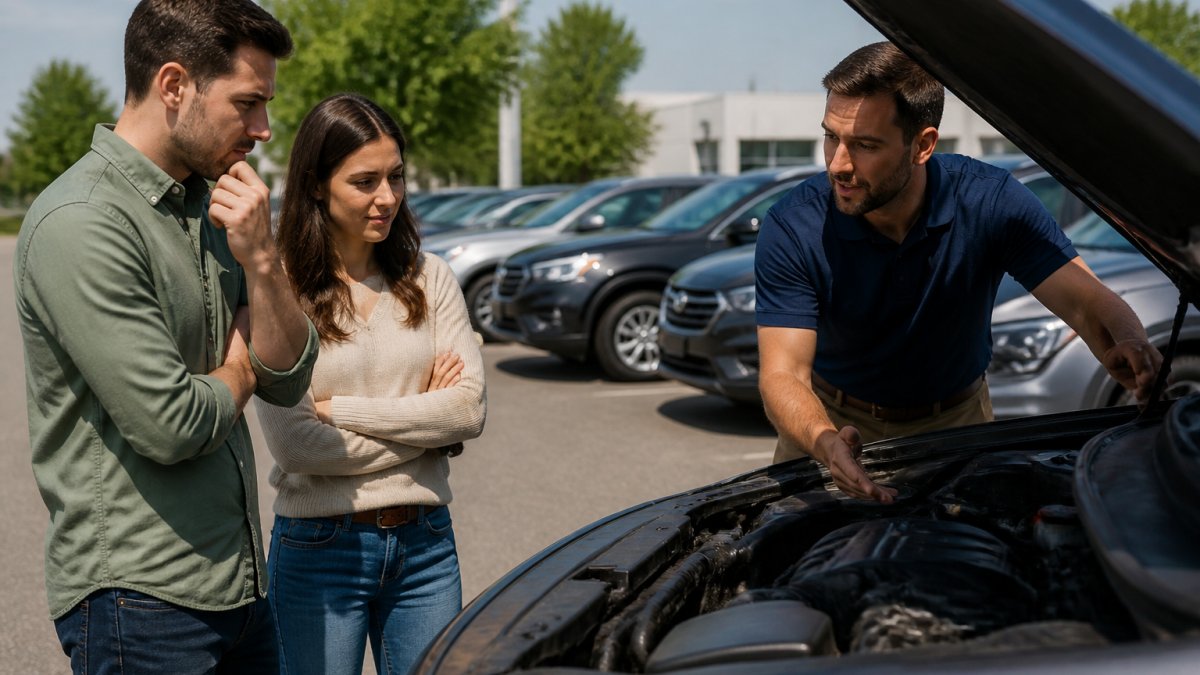
A pre-purchase inspection is a mechanical check by an independent shop before you buy.
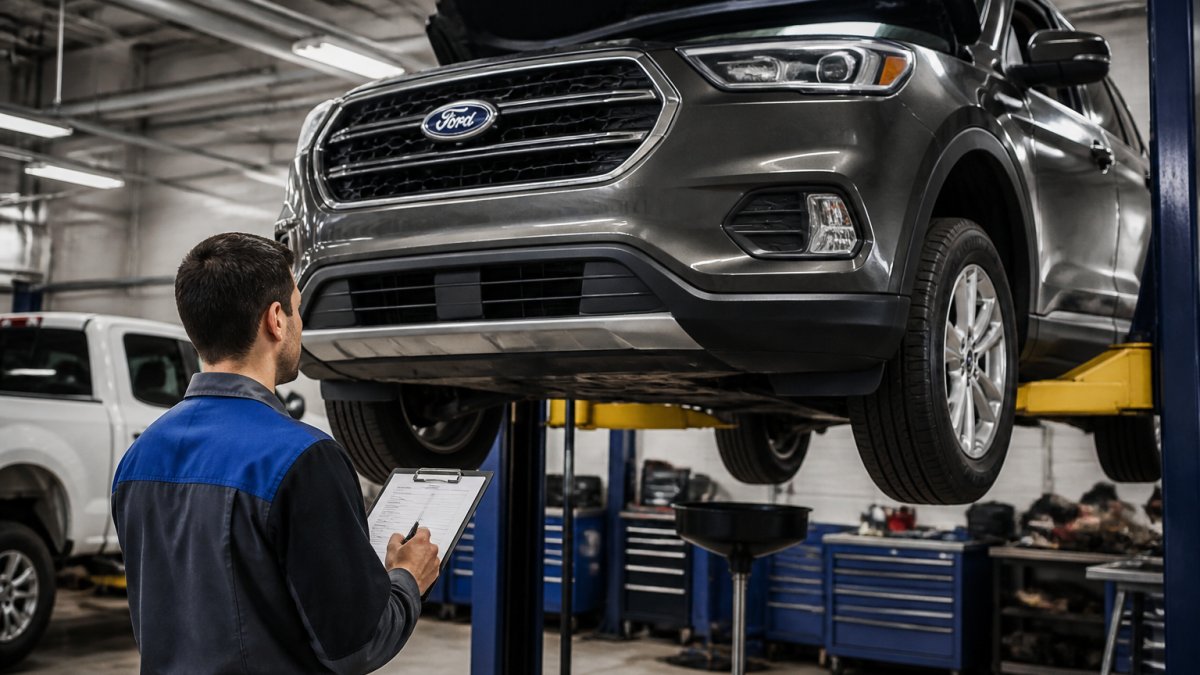
Run through this list:
- Pull the history report and confirm the VIN matches
- Check tire tread depth and even wear across all four
- Look for paint mismatch, overspray, or panel gaps
- Test every light, button, and screen
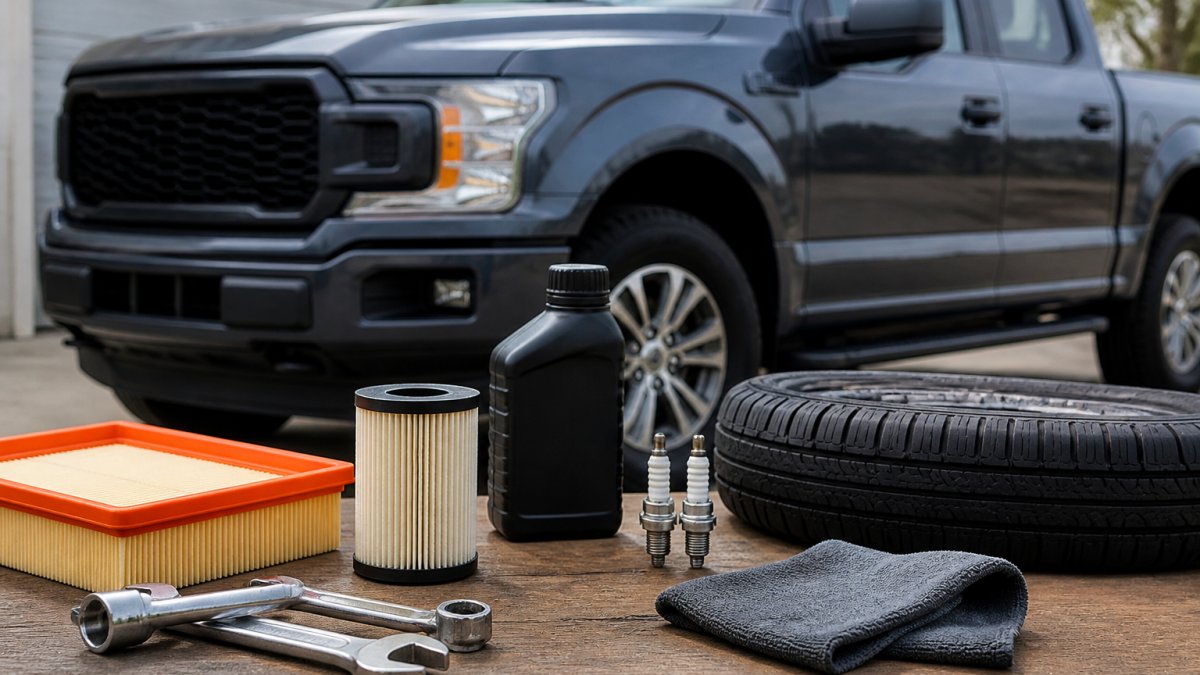
- Check fluid colors and levels under the hood
- Listen for brake squeal or suspension clunks on the test drive
- Confirm the spare, jack, and charging cables are present
- Book an independent pre-purchase inspection
For a step-by-step quality check, read How to Verify Pre-Owned Vehicle Quality: 2026 Guide.
How to Negotiate a Used Car Price Without Guesswork
Negotiation starts before you walk in. Know the market value, know your budget, and know your walk-away number. Sellers expect offers; what they do not expect is a buyer with data.
Use this approach:
- Pull the fair market value for the exact trim and mileage.
- Compare three similar listings within a reasonable drive.
- Note flaws found in the inspection and price them.
- Make one clear, evidence-backed offer.
- Hold your number and be ready to walk.
A trade-in valuation can also affect the total, so ask for the valuation in writing.
Financing a Used Car: Interest Rates and the Cost of Borrowing
Financing can affect the decision. Compare the total cost of borrowing over the same term rather than comparing monthly payments across different loans.
Why the Rate Gap Matters More Than the Price Gap
Compare the total borrowing cost for the options you are considering before you commit.
The Three Levers, Quantified
- Down payment. The down payment affects the amount financed.
- Loan term. The loan term affects the payment schedule and total borrowing cost.
- Rate. The interest rate affects borrowing cost.
Negative Equity: The Risk Nobody Plans For
Negative equity means you owe more on the loan than the vehicle is worth (Negative Equity Findings from the Auto Finance Data Pilot). If you need to sell or trade before the loan is paid off, you may have to cover the difference.
A Simple Break-Even Check
Before you sign, compare the options side by side, including the loan terms and your expected ownership period. Consider borrowing costs and depreciation as part of your decision.
Where to Get Pre-Approved
A pre-approval can help you understand your financing options before you shop. You can apply online for fast, flexible auto financing in Wichita.
Choosing the Right Pre-Owned Vehicle for Your Family or Business
Match the vehicle to the job, not the other way around. Families haul kids, gear, and groceries. Businesses haul tools, parts, and crews. Those are different trucks and SUVs, and the right choice depends on how you will use the vehicle, how long you will keep it, and what it will cost to own.
Start With Ownership, Not the Lot
Answer these before you browse:
- How many seats do you need daily, and how often do you need the maximum?
- What do you tow or haul, and how often?
- What is your annual mileage?
- Gas, hybrid, or electric?
- How long do you plan to keep it?
Your planned ownership period is one factor to consider alongside resale value, warranty, reliability, maintenance, and parts availability.
Powertrain Changes the Math
The used-vehicle calculation differs by powertrain, and this is where most guides stay vague.
- Gas. Fuel cost depends on your mileage and driving mix.
- Hybrid. Consider the battery's age and any remaining coverage.
- Electric. Consider your charging access, electricity rate, battery health, and any remaining battery warranty.
Family Priorities
For families, consider car-seat fit, cargo room, ease of getting kids in and out, and safety features. Review a vehicle's maintenance records and history when comparing options.
Business Priorities
For businesses, consider payload, towing capacity, upfit compatibility, and downtime. Buyers can browse the used cars, trucks and SUVs for sale in Wichita.
A Quick Decision Framework
If you drive high miles and keep vehicles a long time, prioritize reliability records and maintenance history. If you keep vehicles a short time, prioritize resale value and remaining warranty. If you tow or haul for work, prioritize capability and uptime. If you commute short distances and can charge at home, an electric or hybrid deserves a serious look. Write down your top two priorities before you shop, and let them narrow the list.
Schedule a Test Drive at Rusty Eck Ford
A test drive lets you assess how the vehicle feels, sounds, and fits. Bring your checklist.
The dealership has served the Wichita community since 1953, holds Ford's Triple Crown Award and One Ford Elite status, and offers competitive trade-in valuations plus on-site financing.
The used-car market in 2026 rewards buyers who do the homework. Bring the history report, the inspection list, and your financing numbers, then let the vehicle earn your signature.
Get started with Rusty Eck Ford and schedule a test drive.
Frequently Asked Questions
What will happen to used car prices in 2026?
Whether buying a used car is worthwhile depends on the vehicle and the buyer's circumstances. Compare total costs rather than sticker price alone.
How do I check a used car's history report?
A vehicle history report may include information such as title records, accident entries, odometer readings, and service records. Review the report and consider a pre-purchase inspection, since a report may not include every relevant detail.
Is it better to buy a used car or a new car in 2026?
It depends on the vehicle and your circumstances. Consider the purchase price, financing terms, depreciation, and how long you plan to keep the vehicle.
How can I tell if a used car is reliable?
Review available maintenance records and the vehicle history report. A pre-purchase inspection can provide additional information about the vehicle's condition. Consider the vehicle's ownership and service history when comparing options.