 how-to
How to Verify Pre-Owned Vehicle Quality: 2026 Guide
Table of Contents
- Start With the Used Car History Report
- Build a Used Car Inspection Checklist
- Schedule a Pre-Purchase Inspection With a Mechanic
- Use a Used Car Test Drive Checklist
- Score Vehicle Quality and Set Decision Thresholds
- Verify Paperwork, Title, and VIN Match
- Watch for Seller Red Flags and Hidden Fraud
- Conclusion: How to Verify Pre-Owned Vehicle Quality With Confidence
- Frequently Asked Questions
Last Updated: October 6, 2026
Start With the Used Car History Report
The used car market reached the midpoint of 2026 in a stronger position than seasonal patterns predicted, according to Black Book's 2026 used car market report. Stronger prices mean sellers have less reason to disclose problems.
A used car history report is a VIN-based document that shows title records, accident damage, odometer readings, and prior owners. The report costs little. Skipping it can cost thousands.
Where the VIN Lives and Why It Matters
Before you order anything, find the 17-character VIN in three places and confirm they match:
- The lower driver's-side corner of the windshield, visible from outside
- The certification label on the driver's door jamb
- The title or the seller's registration
If those three do not agree, stop. A mismatched VIN is the single strongest fraud signal in a used-car transaction.
How to Read the Report Like an Investigator
Most buyers skim the report and look for a green checkmark. That is the wrong approach. Read it in this order:
- Title brands first. Look for salvage, rebuilt, flood, lemon, junk, or odometer-branded titles. Any brand means the vehicle was declared a total loss or had a legal defect at some point. A rebuilt title can be legal to drive, but resale value drops sharply and insurance can be harder to place.
- Odometer progression. Plot every recorded mileage reading against the date. A jump backward, a long flat stretch, or a reading that contradicts the interior wear is a rollback red flag. A common pattern is a car showing 88,000 miles on the title but a brake pedal and driver's seat that look like 180,000.
- Owner count and tenure. Three or more owners in five years is a warning sign. So is a vehicle that changed hands twice within 12 months, which often means the second buyer found a problem.
- Accident and damage entries. Note severity, not just presence. A minor cosmetic entry is different from a structural or airbag deployment entry.
- Service records. Regular oil changes and mileage-consistent maintenance suggest an owner who cared. A blank service history is not proof of neglect, but it removes your ability to confirm care.
The Report Is a Filter, Not a Verdict
A clean history report is not proof of a clean car. Reports only capture what was reported to the databases they pull from. Damage fixed at a small independent shop, a cash repair, or an out-of-state incident may never appear. Treat the report as a filter that eliminates obvious problem vehicles, not as a guarantee.
What to Do With What You Find
- Clean report, consistent records: proceed to the in-person inspection.
- Minor cosmetic accident entry: proceed, but price the repair into your offer.
- Structural or airbag entry: get an independent inspection before you commit, and expect a lower resale value.
Buyers increasingly use VIN-based digital tools to decode service histories and spot hidden repairs before visiting a dealership, per Feedbuzzard's 2025 industry analysis. The report is cheap. The mistake it prevents is not.
Build a Used Car Inspection Checklist
A used car inspection checklist is your step-by-step system for judging a vehicle in person. Work through it in order, in good daylight, and never rush. Set aside at least 45 minutes.
What you'll need:
- A flashlight
- A magnet (for body filler)
- A tire tread gauge
Exterior Condition and Body Damage
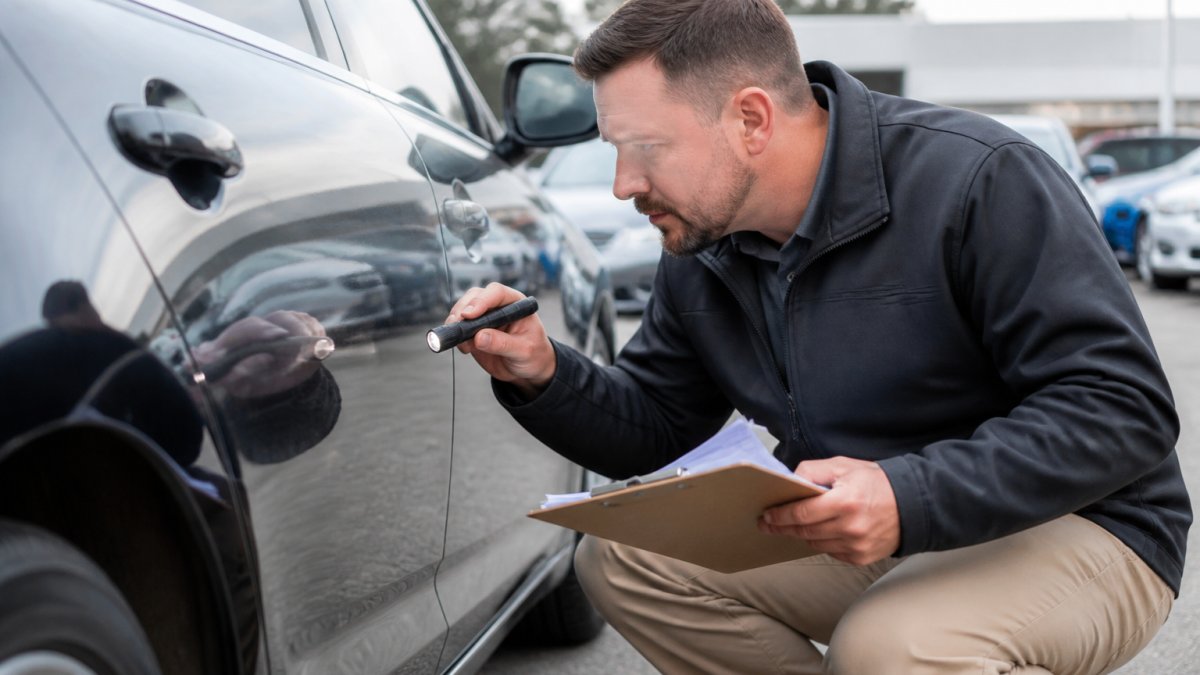
Walk the full perimeter twice. Look down the sides at a low angle. That is how you spot repainted panels and uneven gaps.
- Check panel gaps. Uneven spacing hints at repairs
- Run a magnet along panels. It will not stick to body filler
- Look for rust at wheel arches, rockers, and the frame
Small scratches are normal wear and tear. Rust bubbles under paint are not. Walk away from frame damage.
Interior Condition and Wear
Interior wear tells you how hard the car's life has been. A 60,000-mile car with a torn driver's seat and a worn brake pedal likely has more than 60,000 miles on it.
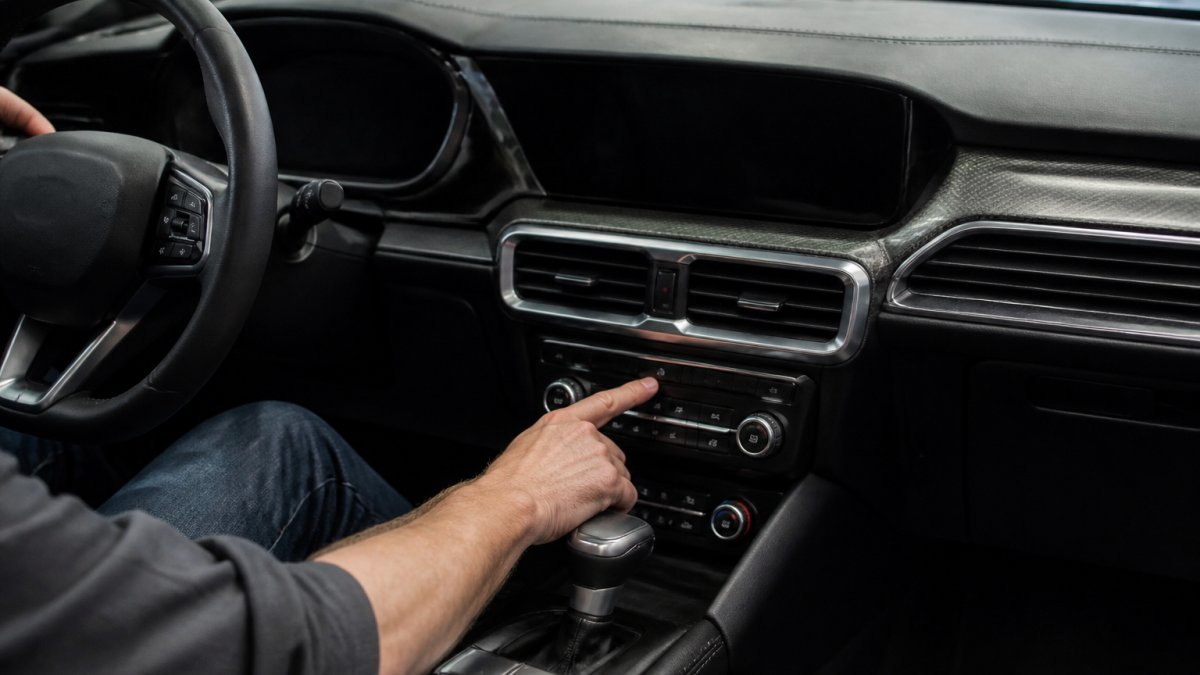
- Press every button, knob, and switch
- Test the AC and heat at full blast
- Check seat belts for fraying and proper retraction
Engine Bay, Fluids, and Mechanical Condition
Start the engine cold. A cold start reveals problems a warm engine hides. Listen for rattles, ticking, or rough idle.
- Check oil: dark and gritty is bad, milky is worse
- Look at coolant and brake fluid levels and color
- Inspect for fluid leaks under the car
Warning lights on the dash are a hard stop. A check engine light can mean a cheap sensor or a failing transmission.
Schedule a Pre-Purchase Inspection With a Mechanic
A pre-purchase inspection is an independent mechanical evaluation performed by a certified mechanic before you buy. It is the single best money you will spend on a used car.
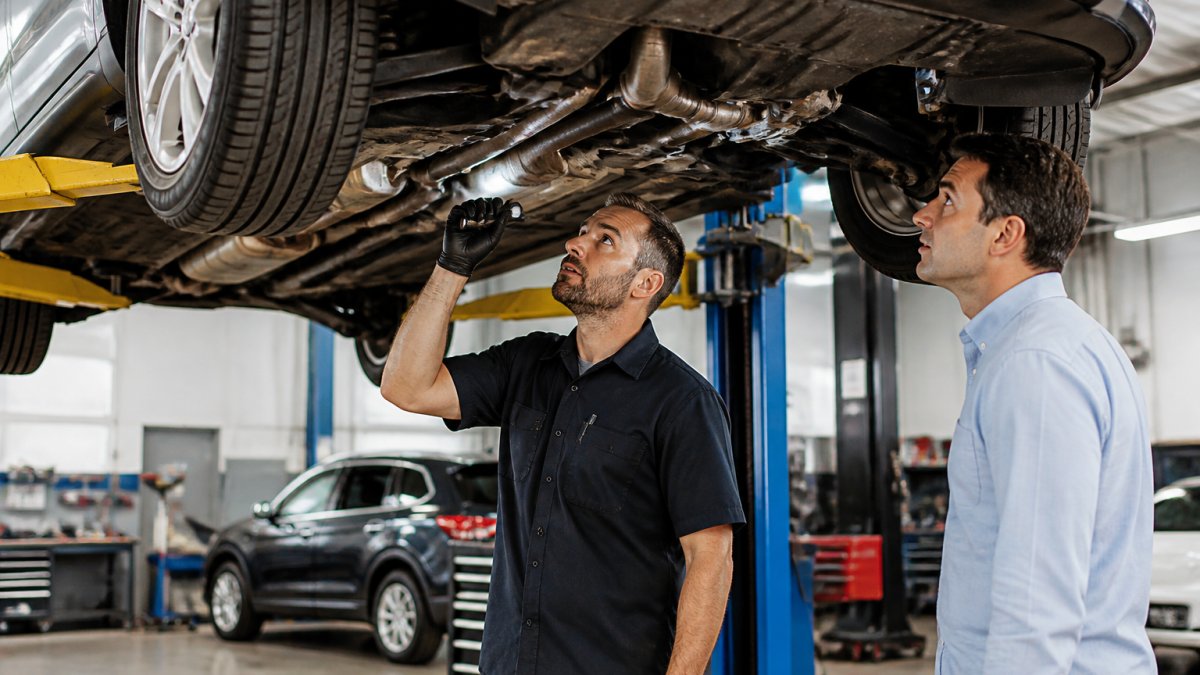
Ask for a diagnostic scan, a lift inspection, and a compression test. Expect a written report with photos. A seller who refuses to allow an independent inspection is telling you something.
Use a Used Car Test Drive Checklist
A used car test drive checklist turns a short spin around the block into a real test. Plan for 20 to 30 minutes on mixed roads: city streets, a highway stretch, and a parking lot.
- Start the engine cold and listen
- Test brakes at low and highway speed
- Feel for transmission hesitation or hard shifts
Turn the radio off. You are listening for engine performance, road noise, and rattles. After the drive, park and check for new fluid drips under the car.
Score Vehicle Quality and Set Decision Thresholds
Most buyers decide on feeling. That is how people end up with cars they regret. Use a simple scoring system instead.
| Area | What to Check | Weight | Score 1-5 |
|---|---|---|---|
| History report | Title brands, accidents, owners | x3 | |
| Mechanical | Engine, transmission, leaks | x3 | |
| Exterior | Rust, panel gaps, tires | x2 | |
| Interior | Wear, electronics, odors | x1 | |
| Paperwork | Title, VIN, odometer | x2 |
Multiply each score by its weight. A total under 55 out of 90 is a pass. Anything lower means negotiate hard or walk away.
Set your thresholds before you see the car. That keeps emotion out of the math.
Verify Paperwork, Title, and VIN Match
Paperwork is where a clean-looking car turns into a legal problem. A VIN match confirms the vehicle identification number on the dashboard, the door jamb sticker, and the title all agree. If they do not match, stop. A mismatched VIN can mean a stolen vehicle, a rebuilt wreck, or fraud.
The Three-Place VIN Check
- Dashboard VIN: visible through the windshield, lower driver's-side corner.
- Door jamb certification label: includes the VIN plus the month and year of manufacture.
- Title or registration VIN: the number the state has on file.
All three must match character for character. Look closely at the plate itself. A VIN plate that is scratched, pried, re-riveted, or covered with tape is a red flag.
Read the Title, Not Just the Name
A title is a legal document, and the fields matter as much as the name on it:
- Branded title: salvage, rebuilt, flood, lemon, or junk. Each brand carries different insurance and resale consequences. A rebuilt title can be legal to drive but is harder to finance and insure.
- Lienholder field: if a lender is listed, the seller cannot legally transfer a clean title until the lien is released. Ask for a lien release letter or a title with the lien removed.
- Odometer disclosure: federal rules require the seller to state the mileage on the title at transfer. Compare that number to the dashboard and the history report. A mismatch is a rollback signal.
Odometer Math You Can Do in the Driveway
Divide the odometer reading by the vehicle's age in years. A 6-year-old car showing 30,000 miles averages 5,000 miles a year, which is unusually low and worth questioning. A 4-year-old car showing 140,000 miles averages 35,000 a year, which is high but not impossible for a rideshare or delivery vehicle. Neither number is automatically bad, but both should match the wear you see on the pedals, seat, and steering wheel.
Get It in Writing
- A signed bill of sale with the date, price, VIN, and both parties' names
- The title signed over correctly, with no blank fields
- A lien release letter if a lender was listed
- Any maintenance records the seller has
When to Walk Away
- The VIN does not match across all three locations
- The title is branded and the seller did not disclose it
- A lien is listed and the seller cannot produce a release
- The seller's name is not on the title
A stack of receipts shows an owner who cared. No records at all is not proof of neglect, but it removes your ability to confirm care. Paperwork is the cheapest part of the deal to verify and the most expensive part to get wrong.
Watch for Seller Red Flags and Hidden Fraud
Some warning signs are universal. A private seller who meets you in a parking lot instead of at home, refuses an inspection, or pushes for a cash-only sale today is a risk.
- The price sits far below market value
- The seller will not let you take the car to a mechanic
- The title is not in the seller's name
- The VIN plate looks scratched or replaced
Automakers use specific multi-point inspection protocols to certify vehicles, but those processes vary widely by manufacturer, according to J.D. Power's 2026 certification research. That is why certified pre-owned status is a starting point, not an ending point.
Conclusion: How to Verify Pre-Owned Vehicle Quality With Confidence
Verifying pre-owned vehicle quality takes a weekend of homework, not a leap of faith.
At Rusty Eck Ford, we have served Wichita drivers since 1953, and we run every pre-owned vehicle through an inspection before it earns a spot on our lot.
Schedule a test drive with Rusty Eck Ford and buy your next pre-owned vehicle with confidence.
Frequently Asked Questions
What is a red flag when buying a used car?
A seller who refuses an independent pre-purchase inspection, pressures you to pay cash without paperwork, or cannot produce a title in their own name is a serious red flag. Other warning signs include a VIN on the dashboard that does not match the door jamb sticker, odometer readings lower than the service history shows, and fresh paint or undercoating that hides rust or collision repair. Walk away if any of these appear and the seller will not explain them.
How do I check a used car's history report?
Ask for the VIN, then run it through a vehicle history service that pulls title, accident, and service records. Look for salvage or rebuilt title brands, odometer rollback entries, and gaps in reported mileage. Consumer Reports notes that CPO programs vary in inspection standards, so a clean report is a starting point, not proof of quality. Cross-check the report against the physical car: panel gaps, paint match, and tire wear should all line up with what the report claims.
Should I get a pre-purchase inspection before buying a used car?
Yes. An independent pre-purchase inspection typically costs far less than a single major repair and gives you a written record of the vehicle's mechanical condition. Choose a mechanic who is not affiliated with the seller, and ask for a diagnostic scan, compression test where applicable, and a brake and suspension check. Even brands ranked as reliable in industry surveys can have individual vehicles with unique issues, so the inspection protects you from paying for someone else's problem.
Is 100,000 miles on a 6-year-old car bad?
Not automatically. Mileage matters less than maintenance. A 6-year-old car with 100,000 highway miles and full service records is often a better buy than a 40,000-mile car that sat unused or skipped oil changes. What you should verify is the service history, the condition of the transmission and suspension, and whether major items like the timing belt or water pump have been replaced. Use the pre-purchase inspection to confirm the car's actual condition rather than judging by the odometer alone.