 blog
7 Ways to Improve Used Car Trade-In Value
Table of Contents
- 1. Research Your Trade-In Value Before You Set Foot on a Lot
- 2. Decide What to Fix Before Trading In a Car
- 3. Clean, Detail, and Present the Vehicle
- 4. Gather the Documents Needed to Trade In a Car
- 5. Understand Mileage, Condition, and Market Demand
- 6. Learn How to Negotiate a Car Trade-In
- 7. Time Your Trade-In Around Seasonal Demand
- Conclusion
- Frequently Asked Questions
Last Updated: October 17, 2026
1. Research Your Trade-In Value Before You Set Foot on a Lot
Most drivers walk onto a lot with a number in their head and no evidence behind it. That is the fastest way to lose money on a trade.
Start with a used car trade-in value estimator. At Rusty Eck Ford, we point sellers to the same tools dealers use: valuation guides from Kelley Blue Book and Edmunds, plus the FTC's guidance on buying and selling a car. Enter your make and model, model year, mileage, and condition.
Run at least three estimates. Write them down. Then subtract a realistic margin, because a dealer must recondition and resell the car.
A trade-in estimate is a starting range, not a promise. It gives you a floor to negotiate from.
2. Decide What to Fix Before Trading In a Car
The biggest mistake with what to fix before trading in a car is fixing everything. Most cosmetic repairs do not raise an offer by more than they cost.
Dealers price reconditioning into every offer. A dented door or worn tires rarely gets deducted dollar for dollar. So spend carefully.
The Repair-Versus-Value Framework
Use this simple test on each issue:
| Issue | Fix It? | Why |
|---|---|---|
| Open safety recall | Yes, always | Free at a franchised dealer, and buyers check |
| Burnt-out bulbs, wipers | Yes | Cheap, and they signal neglect |
| Check-engine light | Yes, diagnose first | A warning light scares buyers more than the repair |
| Small dents and scratches | Usually no | Cost often exceeds the value gained |
| Major cosmetic damage | No | Let the dealer price it in |
| Worn tires | Sometimes | Only if they fail a safety inspection |
The rule: fix anything free, cheap, or safety-related. Skip anything expensive that only looks better.
3. Clean, Detail, and Present the Vehicle
Clean cars get better offers. That sounds obvious, but presentation is where most sellers leave money on the table.
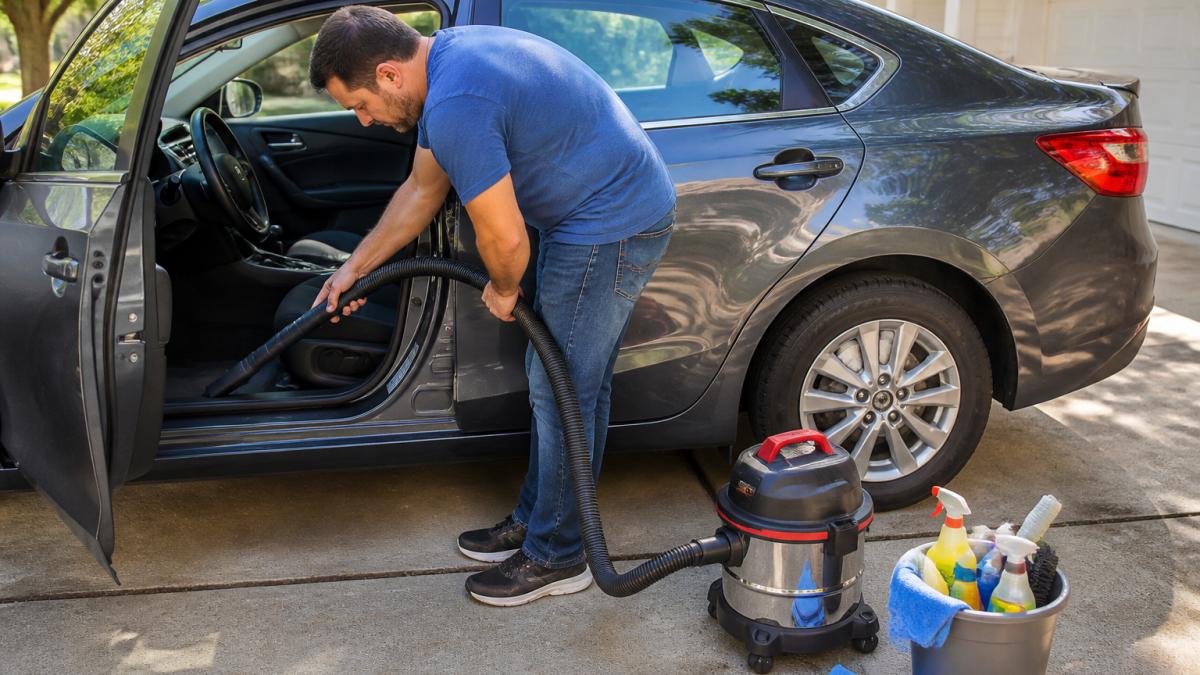
Start with a full wash and interior detail. Clear out personal items, wipe down surfaces, and vacuum the seats and trunk. Clean the wheels and glass. A tidy car reads as a cared-for car, and that shapes the condition assessment during the appraisal inspection.
Gather the keys, fobs, floor mats, and any accessories that came with the vehicle. Missing items create small deductions.
4. Gather the Documents Needed to Trade In a Car
Paperwork speeds up the deal and supports a higher offer. The documents needed to trade in a car are simple, but missing one can stall the transaction.
Have these ready:
- Title or lien release, if the loan is paid off
- Current registration
- Valid driver's license
- Proof of insurance
- Loan payoff statement, if you still owe
- All keys and remotes
- Service records and maintenance records
Those service records matter. A documented history of oil changes, tire rotations, and routine maintenance is proof the car was cared for. It supports your vehicle history and gives the appraiser a reason to trust the vehicle condition.
5. Understand Mileage, Condition, and Market Demand
Three forces set your offer: mileage, vehicle condition, and market demand. You cannot change two of them, but you can understand them.
Mileage is fixed. Lower miles help, but a well-maintained high-mileage car still sells. Vehicle age and depreciation work against you every month, which is why timing matters.
Market demand is the wild card. Trucks and SUVs hold value when fuel is cheap and buyers want utility. Small sedans can sit. Dealers price resale potential into every offer, so a model in demand gets a stronger number.
6. Learn How to Negotiate a Car Trade-In
Here is the part most guides get wrong: the trade and the purchase are two separate deals. Dealers prefer to blend them so you can't see the real numbers. Don't let that happen.
Learn how to negotiate a car trade-in by keeping them apart. Agree on the new car price first, in writing. Then discuss the dealer offer on your trade as its own transaction. Ask for the trade offer in writing too, with the condition notes the appraiser used.
Get Competing Offers Before You Commit
An online trade-in estimate is a backup number, not a bid. Get competing offers from at least two or three dealers, including one that is not the store selling you the next car. A common pattern is that a dealer hungry for inventory on your specific model will beat a store that already has three of them on the lot.
When an offer comes in low, don't argue about the total. Ask a specific question: "What line items in your condition report are driving the number down?" That forces the appraiser to name the deductions, worn tires, a warning light, missing floor mats, and each one is either something you can fix cheaply or something you can dispute with evidence.
Handle an Appraisal Discrepancy With Evidence
When the dealer's condition assessment or valuation differs from your research, respond with documentation rather than emotion:
- Show your written estimates from Kelley Blue Book and Edmunds for the same trim, mileage, and condition.
- Produce service records that contradict a claim of neglect, recent oil changes, tire rotations, and any warranty or recall work.
- Point to comparable listings in the area for the same make, model, year, and mileage.
- Ask for a second appraisal at another dealer and compare the two condition reports side by side.
If the gap is small, the tax math below often settles it. If the gap is large and the dealer won't move, walk. A written offer from another store is the strongest argument you have.
Trade-In Tax Savings and Total Transaction Math
In most states, you pay sales tax only on the difference between your trade and the new car. That trade-in tax savings is real money, and it is why a slightly lower dealer offer can beat a higher private sale price.
Run the math both ways on paper:
- Dealer offer plus the tax savings on the difference (trade value multiplied by your state's sales tax rate).
- Private sale price minus sales tax on the full purchase price, minus the cost of listing, showing, and waiting, and minus the risk of a buyer who backs out.
A simple example: if your state's rate is 6% and the trade is worth $10,000, the tax savings alone are about $600. A private buyer would need to beat the dealer offer by more than that, plus your time, to come out ahead. Rates and rules vary by state, so confirm your state's treatment of trade-ins before you decide.
7. Time Your Trade-In Around Seasonal Demand
Timing is the lever almost nobody pulls. Seasonal demand moves offers more than most sellers expect, but the mechanism matters more than the calendar.
Why Timing Moves the Number
A dealer's offer is shaped by what the store can resell and how badly it needs inventory. When a lot is thin on your model, say, used trucks before spring towing season or SUVs ahead of summer travel, the used-car manager is more motivated to pay up. When the lot already holds several of your model, the offer softens. That is dealer inventory pressure, and it is local and specific, not a national trend.
Seasonal patterns to know:
- Spring and early summer bring buyers for trucks, SUVs, and family vehicles.
- Convertibles and sports cars sell better in warm months.
- Year-end clearance events can push new-car deals, which helps your trade.
- Tax-refund season in late winter and early spring often lifts used-car demand.
Trade-in timing also depends on your vehicle age. Every month of depreciation costs you, so don't hold a car hoping for a better offer that never comes.
Use Online Appraisals, and Watch the Expiration
Online appraisal tools and instant offers are useful for setting a floor, but understand what they are. An instant offer is typically a range or a conditional number based on the information you enter: year, make, model, trim, mileage, condition, and sometimes photos. It is not a binding bid.
Most instant offers carry an expiration, often a few days, and they can change after an in-person inspection. The inspection is where the dealer verifies mileage, checks for warning lights, confirms tire tread, and looks for damage the online form didn't capture. A clean, documented car tends to hold its online number; a car with undisclosed issues tends to see it drop.
To protect the number:
- Enter accurate mileage and condition, inflating condition only delays the correction.
- Take clear photos of all four corners, the interior, the odometer, and any damage.
- Bring your service records and maintenance records to the inspection.
- Redeem the offer before it expires if the number works for you.
Conclusion
Getting a strong offer takes homework, not luck: research the value, fix only what pays, present the car well, and keep the trade and purchase separate. That is how the 7 ways to improve used car trade in value work together.
At Rusty Eck Ford, we have served Wichita drivers since 1953, and we give competitive trade-in valuations backed by decades of experience. Our team offers on-site financing, a wide selection of new and pre-owned vehicles, and a straightforward process with no surprises at the desk.
Ready to see what your car is worth? Schedule a trade-in appraisal with Rusty Eck Ford and get a clear, no-pressure offer.
Frequently Asked Questions
What increases the trade-in value of a car the most?
Condition, mileage, and documentation drive trade-in value more than anything else. A vehicle with complete service records, no open recalls, and clean interior and exterior presentation typically appraises higher than a similar model with missing records or visible damage. Fixing minor cosmetic issues like burnt-out bulbs, small dents, and windshield chips also helps because dealers factor reconditioning costs into their offer. Research your market value first with a used car trade-in value estimator, then address the items that deliver the best return before your appraisal.
Should I repair my car before trading it in?
Only repair items where the cost is clearly lower than the value they add. Safety-related issues, open recalls, and check-engine lights should always be addressed because they affect whether a dealer will even make a strong offer. Skip major cosmetic work like full paint correction or replacing worn tires unless they are unsafe. Use a simple rule: if a repair costs more than the bump in your trade-in estimate, leave it for the dealer to handle and disclose it upfront during the appraisal.
What documents should I bring when trading in a car?
Bring your vehicle title or lien release, current registration, valid driver's license, and all sets of keys and fobs. Include any service and maintenance records, plus proof of insurance. If you still have a loan, have your lender's payoff information ready so the dealer can process the trade accurately. Missing paperwork is one of the most common reasons a trade-in offer gets delayed or reduced, so assemble everything in a folder before your appointment.
Is it better to sell a car privately or trade it in?
A private sale often nets a higher gross price, but it takes time, requires listing and showing the vehicle, and leaves you handling paperwork and payment risk. A trade-in delivers a faster, simpler transaction, and in most states the trade value reduces the sales tax you owe on the new vehicle. Compare your best private offer against your dealer offer plus the tax savings before deciding. For many buyers, the convenience and tax offset make trade-in the stronger total-value choice.