 ultimate-guide
Used Car Warranty Coverage Explained: 2026 Guide
Table of Contents
- How Used Car Warranties Work
- What Does a Used Car Warranty Cover?
- Used Car Factory Warranty: Remaining Manufacturer Coverage
- Certified Pre-Owned Warranty Coverage
- How to Compare Used Car Warranties
- The Claims Process and What to Do If a Claim Is Denied
- Is a Used Car Warranty Worth the Cost?
- Frequently Asked Questions
Last Updated: October 18, 2026
How Used Car Warranties Work
A used car warranty is a contract that pays for specified repairs during a set term, defined by time and mileage limits. The U.S. auto extended warranty industry generated $42.3 billion in revenue in 2026, according to IBISWorld's industry data, which tells you how much money is riding on buyers understanding these contracts before they sign.
Here's the part most shoppers miss: a used car warranty is only as good as its exclusions list. Coverage type, deductible, claim limits, and the original in-service date all determine what actually gets paid. Below, we break down every coverage type, how to read the contract, and how to calculate whether coverage is worth the cost.

The Four Main Coverage Types
- Factory warranty (remaining manufacturer coverage): Transfers with the vehicle and runs from the original in-service date.
- Certified pre-owned (CPO) warranty: Manufacturer-backed coverage on vehicles that pass a certification inspection.
- Dealer warranty: Limited coverage offered by the selling dealership on its own inventory.
- Third-party service contract: An extended warranty sold by an independent provider, not the manufacturer.
What Does a Used Car Warranty Cover?
Coverage is not a single switch, it is a stack of named parts lists, and the label on the contract tells you almost nothing about what gets paid. The practical way to read any used car warranty is to separate it into three layers: what is named as covered, what is named as excluded, and what the contract simply never mentions.
Most used car warranties cover the powertrain first: engine, transmission, and drivetrain. Bumper-to-bumper coverage is broader and typically limited to newer vehicles. According to CoverageX's breakdown of extended car warranty coverage, a full contract can extend to the electrical system, air conditioning, steering, and brakes.
Components Usually Covered and Excluded
| Coverage Type | Typically Covered | Commonly Excluded |
|---|---|---|
| Powertrain | Engine internals, transmission, transfer case, drive axles | Wear items, seals and gaskets on some contracts |
| Bumper-to-bumper | Most components except wear items | Consumables, cosmetic damage, pre-existing conditions |
| Electrical | Alternator, starter, sensors, modules | Pre-existing conditions, water intrusion |
| Add-on (tire, roadside) | Tires, towing, lockouts | Misuse, unauthorized repairs |
Exclusions matter more than inclusions. Wear and tear, pre-existing conditions, and missed maintenance are the three denial reasons we see most often.
The Parts Most Often Named, and the Ones Quietly Left Out
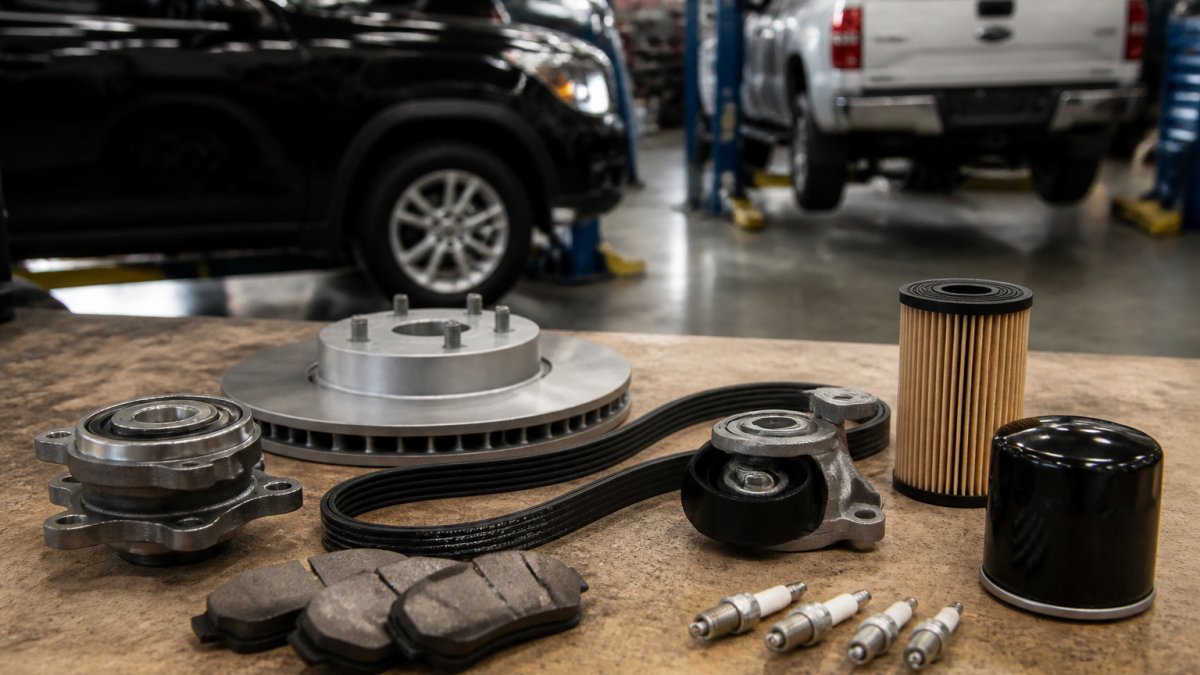
A powertrain contract usually names the engine block, cylinder heads, timing chain or belt, water pump, transmission case and internal parts, and the drive axles. What it often leaves out is just as important: seals and gaskets, hoses, belts, the clutch on a manual, and any component the contract calls a "wear item." A bumper-to-bumper contract typically adds the alternator, starter, air conditioning compressor, power steering, and electronic modules, but almost always carves out brake pads, rotors, tires, batteries, and bulbs.
Two contract terms do more damage than any exclusion list:
- Pre-existing condition clauses. If a provider can argue the failure existed before you bought the contract, the claim can be denied. Some contracts waive this after a set number of days or miles; others do not.
- Consequential damage limits. If a covered part fails and takes an uncovered part with it, many contracts pay only for the named part. A failed water pump that warps a head can leave you holding the engine bill.
Hybrid and Electric Components
If the used vehicle is a hybrid or EV, the coverage question changes. High-voltage battery packs, electric drive motors, inverters, and charging components are usually covered under a separate section, or not at all, and the remaining factory hybrid/EV battery warranty is often longer than the rest of the vehicle's coverage. Ask specifically whether the contract covers the high-voltage battery, what capacity threshold triggers a replacement, and whether the battery's own manufacturer warranty still applies. A generic powertrain label tells you nothing about any of this.
Used Car Factory Warranty: Remaining Manufacturer Coverage
A used car factory warranty is simply the unused portion of the original manufacturer warranty, and it transfers with the vehicle at no cost. Coverage runs from the original in-service date, not your purchase date, so a three-year-old car may have only a fraction left. Ask for the in-service date and the remaining factory coverage in writing before you buy.
Certified Pre-Owned Warranty Coverage
Certified pre-owned warranty coverage is manufacturer-backed and usually the strongest option on a used lot. CPO programs require a multi-point inspection and a vehicle history check, then add a coverage extension beyond any remaining factory warranty. Terms vary by program, so compare the coverage period, mileage limit, deductible, and whether it is transferable to the next owner.
How to Compare Used Car Warranties
Compare used car warranties on five variables: covered components, exclusions, deductible, claim limits, and transferability. Two contracts can advertise "powertrain coverage" and pay out very differently. The gap most buyers fall into is comparing sticker prices instead of expected payout, a cheaper contract with a high deductible and a low claim cap can cost more over its term than a pricier one that actually pays.
Reading the Contract: Deductibles, Exclusions, and Claim Limits
Read the contract like a claims adjuster would. Check the deductible per visit versus per repair, the total claim limit, whether repairs need pre-authorization, and whether the provider pays the shop directly or reimburses you. A low sticker price with a high deductible and a low claim cap is not a bargain.
A practical checklist to run against any contract before you buy:
- Deductible structure. Per visit, per repair, or per component? A per-visit deductible is usually friendlier when one failure touches several parts.
- Aggregate claim limit. Is the cap per claim, per year, or over the life of the contract? A lifetime cap equal to the contract price means the contract can never pay back more than you spent.
- Labor rate cap. Many contracts cap the hourly labor rate they will reimburse. If the cap sits below local shop rates, you pay the difference.
- Pre-authorization requirement. Almost every contract requires approval before work begins. Unauthorized repairs are a common denial reason.
- Transferability. If you sell the car, does the coverage follow it? A transferable contract can add resale value; a non-transferable one is worth nothing to the next buyer.
- Cancellation and refund terms. Know the window for a full or prorated refund, and whether a cancellation fee applies.
The Claims Process, Step by Step
Claims usually follow four steps: diagnose the failure, get authorization from the provider, approve the repair, then settle the deductible. If a claim is denied, request the denial in writing, cite the specific contract language, and appeal with your maintenance records.
In practice, the sequence looks like this: the shop diagnoses the failure and calls the provider's claims line; the provider authorizes a dollar amount and sometimes sends an adjuster; the shop performs the repair; you pay the deductible directly to the shop or are reimbursed.
Running the Cost and Value Math
A warranty is a bet, and the only honest way to price it is against your realistic repair exposure.
Watch for overlapping coverage. If the vehicle still has remaining factory powertrain coverage, a service contract that duplicates it is paying twice for the same protection. Ask what the contract adds beyond the factory warranty, and when the factory coverage expires relative to the contract term.
The Claims Process and What to Do If a Claim Is Denied
Claims usually follow four steps: diagnose the failure, get authorization from the provider, approve the repair, then settle the deductible. If a claim is denied, request the denial in writing, cite the specific contract language, and appeal with your maintenance records. Missing maintenance records are the most common reason appeals fail, which is why we tell every buyer to keep every oil change receipt.
Is a Used Car Warranty Worth the Cost?
It depends on the vehicle, not the sales pitch. Consumer Reports recommends considering used-car coverage for vehicles with under 80,000 miles, per Consumer Reports' extended warranty guidance, which suggests mileage is the real dividing line. One report states 68% of vehicles need major repairs within three years of factory-warranty expiration, according to CoverageX's 2026 warranty analysis.
Age skews the decision, too. ConsumerAffairs' 2026 auto warranty statistics found 54% of car owners ages 16 to 24 have extended warranties, versus 25% of owners 55 and older. Younger buyers tend to finance coverage into the loan; older buyers tend to self-insure.
At Rusty Eck Ford, we walk every pre-owned buyer through the remaining factory coverage, any CPO protection, and what a service contract would actually cost before they decide. No pressure, just the numbers.
Frequently Asked Questions
What is the normal warranty for a car?
New cars typically carry a factory warranty that runs for a set number of years or miles, whichever comes first, and covers most components beyond routine wear items. Used cars only keep whatever remains of that factory coverage. Once it expires, any protection comes from a certified pre-owned program, a dealer warranty, or a third-party service contract. The term, mileage limit, and covered components vary widely, so the contract itself, not the label, tells you what you actually have.
What does a used car warranty cover?
It depends on the plan type. Powertrain warranties cover the engine, transmission, and drivetrain. Bumper-to-bumper or limited plans add electrical systems, air conditioning, and other components. Most plans exclude wear and tear items like brake pads, tires, and belts, plus pre-existing conditions. Before buying, ask for the covered components list and the exclusions list in writing, and confirm the deductible per visit and any claim limits.
Do used cars usually come with a warranty from the dealer?
Not always. Many used vehicles are sold as-is, meaning the dealer carries no obligation after the sale. Others include a limited dealer warranty for a short window, often 30 to 90 days. Certified pre-owned vehicles are the exception, since they carry manufacturer-backed coverage as part of the program. Ask directly whether the car is as-is or comes with coverage, and get the answer in the buyer's guide and the contract.
Does a used car still have its original factory warranty?
Sometimes. Factory coverage follows the vehicle, not the buyer, so a used car keeps any remaining term from the original in-service date. A vehicle with a 5-year/60,000-mile powertrain warranty sold at three years old still has two years left. Check the original in-service date and current mileage against the warranty terms. Coverage is usually transferable at no cost, but confirm the rules with the manufacturer or a franchised dealer.
What does a used car warranty usually exclude?
Common exclusions include wear and tear parts such as brake pads, tires, belts, and wiper blades, along with pre-existing conditions and damage from accidents, misuse, or missed maintenance. Many contracts also exclude cosmetic items and require documented maintenance records to honor a claim. Read the exclusions section before signing, since that list, not the marketing brochure, determines what a claim will actually pay for.
Should you buy the extended warranty on a used car?
It depends on the vehicle and the price. Consumer Reports suggests considering coverage for used cars with under 80,000 miles, since major repairs are more likely as mileage climbs. A 2026 CoverageX report notes that 68% of vehicles need major repairs within three years of factory-warranty expiration, though that figure lacks published methodology. Weigh the plan cost against the repair risk for that specific model, and compare the deductible and exclusions before deciding.
Buying a used car shouldn't mean gambling on repair bills. At Rusty Eck Ford, we've served Wichita drivers since 1953, and we show you the remaining factory coverage, CPO terms, and inspection results upfront so you know exactly what's protected. Visit us to review coverage on any pre-owned vehicle, get a competitive trade-in valuation, and schedule a test drive with a team that answers warranty questions straight.