 how-to
Car Battery Drain When Parked: Causes and Fixes
Last Updated: November 12, 2026
Quick Summary
A car battery drain while parked is usually caused by parasitic drain, a small continuous electrical current that keeps flowing after the ignition is off. Common culprits include lights left on, accessories plugged into outlets, and faulty wiring or components. A healthy battery should survive a couple of weeks of sitting.
- Check dome, trunk, and headlights first, since they often stay on after exiting.
- Unplug phone chargers, dash cams, and coolers from 12-volt outlets when parked.
- A settled draw in the tens of milliamps is generally considered normal.
- Test the draw with a multimeter set to DC amps, after letting modules sleep.
- Replacing the battery alone won't help if the parasitic draw is still present.
Table of Contents
- Why a Car Battery Drains While Parked
- Lights, Accessories, and Devices Left On
- Parasitic Battery Drain: What It Is and How It Happens
- Normal Car Battery Drain When Parked
- Step-by-Step: How to Test for a Parasitic Draw
- How to Stop Car Battery From Draining Overnight
- Why a New Car Battery Keeps Dying While Parked
- Get Your Ford's Battery and Charging System Checked
- Frequently Asked Questions
Why a Car Battery Drains While Parked
A car battery that goes flat overnight or after a few days is one of the most common complaints drivers bring to their mechanic. The battery is usually not the root problem. Something is pulling power from it while the engine is off.
Every battery loses some charge over time through self-discharge. A healthy battery can sit for weeks without trouble. When a battery drains in a day or two, though, a steady electrical draw is almost always the reason.
Parasitic drain is a common hidden cause of a battery draining while a car is parked. It means a component keeps using power after the ignition is off. Knowing that narrows the search considerably.
Lights, Accessories, and Devices Left On
The simplest cause is also the easiest to miss. Interior lights, trunk lights, or headlights can stay on after you exit the vehicle, especially on older models without automatic shutoff.
Accessories plugged into power outlets are another frequent culprit. Phone chargers, dash cams, and portable coolers can keep drawing current even when nothing appears to be running.
Check these first:
- Dome, map, and trunk lights
- Headlights and fog lights
- Any device plugged into a 12-volt outlet
- Aftermarket alarms or dash cams wired directly to the battery
Parasitic Battery Drain: What It Is and How It Happens
Parasitic drain is a small, continuous electrical current that flows when the vehicle is off. Some draw is normal, since systems like the clock, radio memory, and security module need power. Trouble starts when the draw is larger than it should be.
Common sources include electrical devices that stay energized, short circuits in wiring, and faulty components such as the alternator or battery itself. A faulty alternator diode can even let current flow backward through the alternator while the engine is off, which quietly drains the battery.
Incorrectly installed aftermarket accessories can also contribute to parasitic drain. Modern cars carry more electronics than older models did, so there are more places for a leak to start.
Normal Car Battery Drain When Parked
Not every drop in charge signals a problem, but "normal" is a range, not a single number. Two different things are happening while a vehicle sits: self-discharge inside the battery itself, and the small current that always-on electronics pull from it. Separating those two is the fastest way to tell whether you have a fault or just an old battery and a busy schedule.
Self-discharge is the battery losing charge on its own with nothing connected. A healthy lead-acid battery typically loses a small fraction of its capacity per month at moderate temperatures, and that rate climbs as the battery ages and as temperatures rise.
Parked current is the second piece. Even with the key off, modules like the body control module, keyless-entry receiver, clock, radio memory, and security system stay awake at low power. A settled vehicle generally draws a small current in the tens of milliamps once its modules have gone to sleep. Specifications vary by vehicle, so confirm the figure against your owner's manual or a dealer service check.
That baseline shifts with equipment. A vehicle with an active telematics subscription, a factory alarm with a motion sensor, keyless-entry proximity that wakes on approach, or a dealer-installed remote-start system will sit at the higher end of the range or above it. Aftermarket dash cams in parking mode, GPS trackers, and hardwired radar detectors add draw the factory never accounted for.
Temperature matters too. Cold slows the chemistry inside the battery and reduces the capacity available for cranking, so a battery that is marginal in mild weather can fail to start on the first cold morning even with a normal parked draw.
Extended inactivity compounds all of it. Long periods without use can lead to sulfation, where lead sulfate hardens on the plates and permanently reduces the battery's ability to hold a charge. Short trips and infrequent driving make it worse, because a short drive may not replace the energy used to start the engine, so the battery slowly falls behind. Over several weeks that small deficit adds up to a no-start.
A useful rule of thumb: a healthy battery in a healthy vehicle should survive a couple of weeks of sitting without drama. If it goes flat in a day or two, the parked current is almost certainly too high. When a battery fades over weeks but finally leaves the car unable to start, Towing PerfekTow can be the next step while you arrange a proper battery and charging-system check.
Healthy batteries and vehicles lose charge at predictable rates, so these figures show where normal drain ends and a fault may begin.
| Factor | What the article says | Practical note |
|---|---|---|
| Healthy battery sitting | Survives a couple of weeks without drama | Dies in a day or two suggests high parked current |
| Settled parked draw | Generally in the tens of milliamps | Confirm against owner's manual or dealer check |
| Hundreds of milliamps | Points to a real drain | Well above the normal settled range |
| Monthly self-discharge | Small fraction of capacity at moderate temperatures | Rate rises with battery age and heat |
| Fading over 2-3 weeks | Suspect aging battery or storage habits | Check battery and charging system first |
Step-by-Step: How to Test for a Parasitic Draw
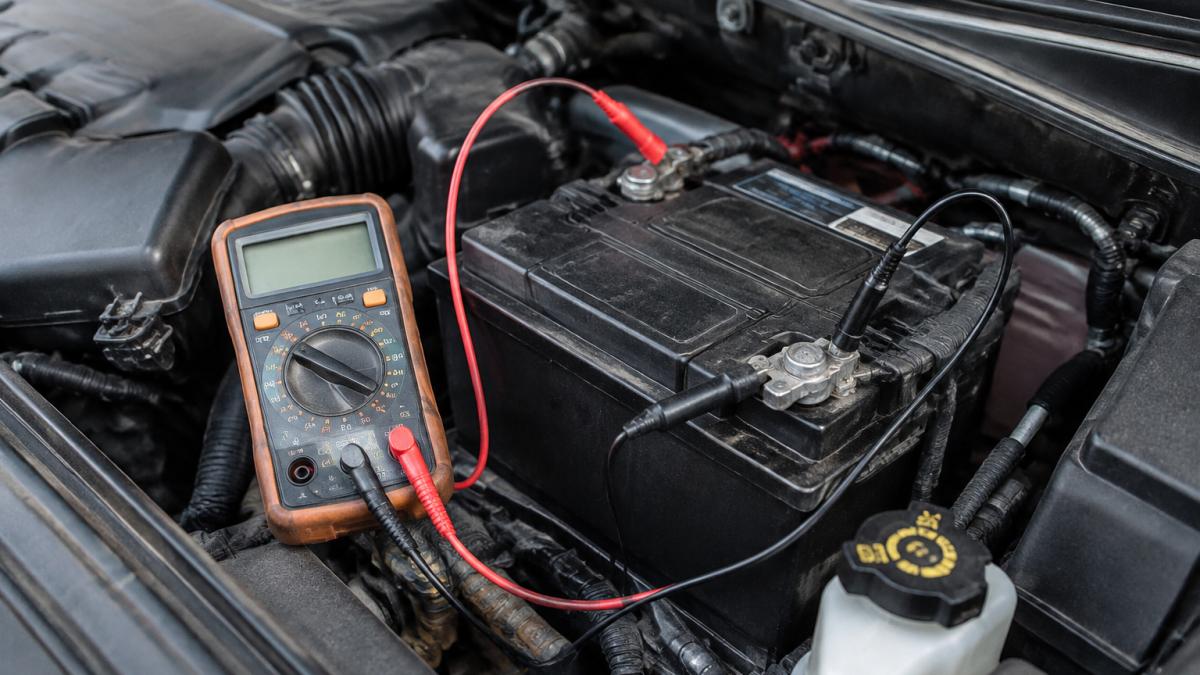
Testing for a parasitic draw takes patience, but it can be done at home with a digital multimeter that reads milliamps. The goal is to measure how much current flows with everything off, then narrow down which circuit is responsible. Read the whole sequence before you start.
1. Prepare the vehicle. Turn off everything, close all doors, shut the trunk, and remove the key from the ignition. On push-button vehicles, keep the fob well away from the car so keyless-entry proximity does not keep waking modules.
2. Let the modules go to sleep. This is the step people rush. Modern vehicles keep several modules awake for a period after shutdown, commonly several minutes, and sometimes up to 30 or more depending on the vehicle, before they drop into low-power sleep.
3. Set up the meter correctly. Switch the multimeter to DC amps and plug the test lead into the high-current port (often labeled 10A). Confirm the meter's amp range before you connect anything, because a meter set to the wrong function or a low-current port can blow its internal fuse the moment a module wakes up.
4. Put the meter in series. Loosen the negative battery cable and lift it off the post. Connect one meter lead to the battery post and the other to the cable clamp so the meter completes the circuit. Do not let the cable touch the post while the meter is connected, that bypasses the meter and gives a false reading.
5. Read the settled current. Once the vehicle has been asleep for the full interval, note the reading. A settled draw in the tens of milliamps is generally considered normal; a reading well above that, into the hundreds of milliamps or higher, points to a real drain. Write the number down so you can compare after each change.
6. Narrow the circuit with fuses. With the meter still in series, pull fuses one at a time and watch the reading. When the current drops sharply, the circuit that fuse protects is your suspect. Replace each fuse before moving to the next so you do not stack changes.
7. Confirm before you repair. Once you have a suspect circuit, inspect the components on it for a stuck relay, a switch that never fully opens, a chafed wire, or an aftermarket device wired directly to battery power.
Watch out: if the meter reads zero or the display goes blank after you connect it, you have likely blown the meter's amp fuse, disconnect, replace the fuse, and re-check that the meter is on the correct amp range before reconnecting.
If the draw disappears when you pull a fuse but returns when you reinstall it, that is confirmation, not a fluke.
How to Stop Car Battery From Draining Overnight
Once you find the cause, the fix is usually straightforward. Repair or replace a faulty component, remove or rewire an improperly installed accessory, or correct a stuck relay or switch.
Simple habits also help prevent drain:
- Double-check that all lights are off before walking away
- Unplug accessories when the vehicle is parked for long periods
- Drive for at least 20 to 30 minutes at a time when possible
- Have the battery and charging system tested before winter or a long trip
Why a New Car Battery Keeps Dying While Parked
A common mistake is replacing a battery again and again without fixing the cause. If the parasitic draw is still present, a new battery will drain just like the old one.
This is why replacing the battery is not always the solution. A new battery only treats the symptom. Testing the draw and charging system reveals whether the battery is actually at fault.
If a replacement is needed, Motorcraft Tested Tough batteries are available at Rusty Eck Ford. Pricing depends on the battery model and vehicle, so contact the dealership or check its website for current prices.
Get Your Ford's Battery and Charging System Checked
If your Ford keeps going flat, a professional check can save time and guesswork. Rusty Eck Ford offers a free battery test to see whether your battery still holds a good charge. Technicians can also check the alternator and the wider charging system, which is where many drain problems start.
Owners in Wichita, Derby, and Andover can find a nearby Rusty Eck Ford location to schedule a visit. Learn more about the dealership's community involvement as well.
Frequently Asked Questions
How do I keep my car battery from draining while parked?
Start by turning off all lights, accessories, and devices before you leave the vehicle, and make sure the doors and trunk are fully closed so interior lights switch off. Plug-in chargers, aftermarket dashcams, and alarms can keep drawing power, so unplug anything that is not needed. If the vehicle sits for long stretches, a battery maintainer or periodic driving helps keep the charge up. If the battery still goes flat, a parasitic draw test can identify a hidden load that needs repair.
What could be draining my car battery while it's off?
The most common culprits are lights or accessories left on, a weak or aging battery, a faulty alternator that lets current flow backward, and aftermarket electronics that were installed incorrectly. Modern vehicles also keep certain modules awake while parked, which is normal in small amounts. A parasitic draw, meaning an electrical component that keeps drawing current with the vehicle off, is the usual reason a battery keeps going flat even after it is replaced.
Why does my new car battery keep dying while parked?
A new battery that keeps dying usually points to a parasitic draw or a charging problem rather than a defective battery. If the alternator has a bad diode, it can allow current to drain the battery when the engine is off. Incorrectly installed aftermarket accessories are another frequent cause. Replacing the battery without finding the source of the drain means the new one will likely fail the same way, so testing the electrical system first saves money.
How can I find a parasitic battery drain?
With the engine and all accessories off, doors closed, and the key removed, connect a digital multimeter set to measure DC amps between the negative battery terminal and the negative cable. Wait for the vehicle's electrical modules to go to sleep, which can take 30 minutes or more. A normal draw is usually a small number of milliamps. Pulling fuses one at a time while watching the meter helps isolate the circuit responsible. If you are not comfortable working around the battery, a dealership service department can perform this test.