 blog
5 Best Used SUVs for Families on a Budget in 2026
Table of Contents
- Quick Comparison: 5 Best Used SUVs for Families on a Budget
- 1. Honda CR-V: Best Overall Used SUV for Family Value
- 2. Toyota RAV4: Best for Long-Term Reliability and Resale Value
- 3. Kia Sorento: Best Three-Row SUV for Budget-Conscious Families
- 4. Chevrolet Equinox: Best Compact SUV for Small Families
- 5. Subaru Outback: Best for Safety and All-Weather Capability
- How to Inspect a Used SUV Before Buying
- Your Used SUV Maintenance Checklist for Long-Term Ownership
- Frequently Asked Questions
Last Updated: October 3, 2026
Quick Comparison: 5 Best Used SUVs for Families on a Budget
Finding a used SUV that fits a growing family without wrecking your budget comes down to five models that consistently earn their keep: the Honda CR-V, Toyota RAV4, Kia Sorento, Chevrolet Equinox, and Subaru Outback. This guide breaks down what each one costs to own, how they hold up over time, and which families they suit best.
The used market rewards patience and homework. According to CarGurus research on the best used SUVs under $20,000, the Toyota RAV4 Hybrid, Kia Sportage, and Ford Edge rank among the strongest value picks in that price band. Meanwhile, Edmunds reliability analysis places the Subaru Crosstrek, Chevrolet Traverse, and Toyota 4Runner among the most dependable used SUVs available.
Below, we'll show you exactly how to inspect one before you buy and what to budget for maintenance afterward. The five models we cover have earned their reputations through resale value, safety scores, and manageable ownership costs, not marketing hype.
| Model | Best For | Seating | Standout Strength |
|---|---|---|---|
| Honda CR-V | Overall family value | 5 | Balanced reliability and space |
| Toyota RAV4 | Long-term resale | 5 | Proven engine longevity |
| Kia Sorento | Three-row budget buyers | 6-7 | Affordable third row |
| Chevrolet Equinox | Small families | 5 | Low entry price |
| Subaru Outback | Safety and weather | 5 | Standard all-wheel drive |

1. Honda CR-V: Best Overall Used SUV for Family Value
The Honda CR-V is the safest all-around bet for most families because it pairs generous cargo capacity with strong crash test ratings and predictable maintenance.
Cargo space sits near the top of its class, and rear-seat legroom keeps older kids comfortable on longer drives. The LATCH system is easy to reach, which matters when you're installing car seats weekly. Fuel economy from the four-cylinder powertrain hovers in a range that keeps weekly gas stops affordable.
Pros and Cons
- Pros: Excellent resale value, roomy interior, low repair frequency
- Cons: Base trim levels feel basic, road noise at highway speed
- Watch for: Transmission shudder on higher-mileage examples
2. Toyota RAV4: Best for Long-Term Reliability and Resale Value
The Toyota RAV4 holds value better than almost anything in its class, which makes it the smart pick if you plan to sell in three to five years.
Engine longevity is the headline here. These powertrains regularly pass 200,000 miles with routine care. The trade-off is price: RAV4s cost more upfront than rivals with similar mileage, so you pay now or pay later.
Pros and Cons
- Pros: Outstanding resale value, hybrid fuel savings, proven reliability
- Cons: Higher asking price, firmer ride than competitors
- Watch for: Hybrid battery health on older models
3. Kia Sorento: Best Three-Row SUV for Budget-Conscious Families
The Kia Sorento gives you three-row seating without the price jump that full-size SUVs demand. It's the practical answer for families hauling kids plus grandparents or carpool duty.
Budget the ownership costs carefully. According to CoverageX analysis of family SUV ownership costs, the Sorento averages $1,400 to $1,700 per year in maintenance, while the Honda Pilot runs $1,500 to $1,900 and the Toyota Highlander $1,600 to $2,000.
Pros and Cons
- Pros: Available third row, strong warranty history, good value
- Cons: Tight third-row legroom, modest towing capacity
- Watch for: Recall history on specific model years
4. Chevrolet Equinox: Best Compact SUV for Small Families
The Chevrolet Equinox suits families of four who want five-passenger seating and long-term value without a three-row footprint.
CoverageX's 2026 analysis also names the Equinox among the primary picks for budget-focused families. Interior space is generous for the size, and the infotainment setup is straightforward. Towing capacity is modest, so it's not the choice for pulling a camper.
Pros and Cons
- Pros: Affordable entry price, comfortable ride, easy cabin controls
- Cons: Limited towing, four-cylinder only
- Watch for: Timing chain wear on high-mileage units
5. Subaru Outback: Best for Safety and All-Weather Capability
The Subaru Outback earns its place through standard all-wheel drive and top-tier safety ratings, which matters if you drive in snow or rain. Consumer Reports' 2026 reliability data flagged the Subaru Forester, the Outback's platform sibling, among SUVs with near-perfect reliability scores.
The Outback's wagon-style cargo area swallows strollers and gear easily. Fuel economy trails hybrid rivals, and the CVT transmission needs fluid service on schedule.
Pros and Cons
- Pros: Standard AWD, strong crash test ratings, versatile cargo area
- Cons: Slower acceleration, CVT service requirements
- Watch for: Head gasket issues on older generations
How to Inspect a Used SUV Before Buying
Start with the vehicle history report, then verify everything with a hands-on mechanical inspection. A clean report doesn't replace a physical look, but it flags accidents, title problems, and odometer rollbacks before you waste a trip. For a family SUV, add a third layer: a car-seat and cargo fit test that no spec sheet can replace.
Step 1: Read the Vehicle History Report Like a Skeptic
Pull a report from Carfax or AutoCheck and look for these red flags before anything else:
- Salvage, rebuilt, or flood branding, walk away. Flood-damaged electronics fail unpredictably months later, and rebuilt titles tank resale value.
- Odometer rollback indicators, a 2018 SUV showing 28,000 miles when the service records show 60,000 is a hard stop.
- Gaps in reported service, long stretches with no oil-change records on a turbocharged or hybrid model is a risk signal, not proof of neglect.
- Multiple owners in a short window, three owners in four years often means the vehicle was flipped or had a recurring problem.
- Accident history with airbag deployment, even a repaired airbag deployment can affect insurance premiums and future resale.
A clean report is a starting point, not a guarantee. Reports miss unreported accidents, so always pair the report with a physical inspection.
Step 2: The Family-Specific Fit Test
This is the step most buyers skip and most regret. Bring your actual car seats to the test drive.
- LATCH anchor check: Confirm both lower anchors and the top tether anchor are present, undamaged, and not buried under a seat cushion. Some older or base-trim SUVs omit the third-row tether entirely.
- Rear-facing clearance: Install a rear-facing infant seat behind the front passenger seat, then slide that seat back to a comfortable adult position. If the front seat has to move forward to fit the car seat, tall passengers will be miserable on road trips.
- Second-row width: Three-across seating is only realistic in wider second rows. Measure the hip room and test whether a booster plus two car seats actually fit side by side.
- Third-row access: If you're considering a three-row model like the Kia Sorento, test how easily a child can climb into the third row with the second-row seat folded. Some third rows are effectively for occasional use only.
- Cargo with seats up: Load a stroller, a diaper bag, and a week of groceries with all rows in use. Many three-row SUVs have almost no cargo space behind the third row.
Step 3: Mechanical and Safety Inspection
- Pull the vehicle history report and check for salvage or flood branding
- Verify the mileage matches the odometer and service records
- Check for uneven tire wear, which signals alignment or suspension trouble
- Test every seat belt and the LATCH anchors in the second and third rows
- Scan for rust under the wheel wells and along the frame
- Have an independent mechanic inspect the transmission and engine
- Confirm all recalls were completed
- Check that all airbags, backup cameras, and driver-assist features function
Your Used SUV Maintenance Checklist for Long-Term Ownership
Keeping a used SUV running past 150,000 miles comes down to a disciplined maintenance schedule, not luck. The benefits of OEM parts for used vehicles show up in fit and durability, since genuine components are built to the original specifications. But for a family on a budget, the schedule matters less than the total cost of ownership (TCO), the real number that determines whether a used SUV fits your monthly budget.
The Maintenance Schedule
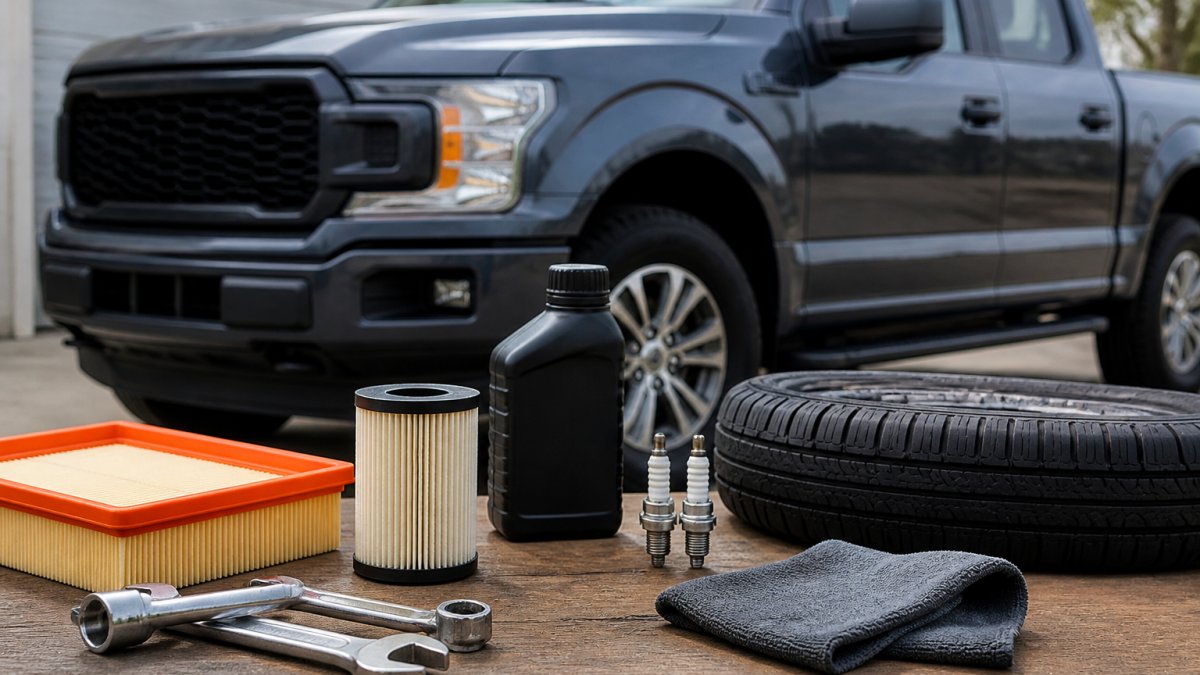
- Every 5,000-7,500 miles: Oil and filter change, tire rotation
- Every 30,000 miles: Transmission fluid, air filter, brake inspection
- Every 60,000 miles: Spark plugs, coolant flush, timing belt check
- Every 90,000-100,000 miles: Water pump, serpentine belt, suspension components
- Annually: Battery test, alignment check, brake fluid inspection
Total Cost of Ownership: The Number That Actually Matters
Purchase price is only the entry fee. A used family SUV's real cost includes fuel, insurance, maintenance, repairs, and depreciation. Here's how to estimate each:
- Fuel: Use the EPA's fueleconomy.gov combined MPG rating for the specific model year and trim. A 5 MPG difference between two SUVs can add several hundred dollars per year at typical family mileage.
- Insurance: Get quotes before you buy, not after. Insurance costs vary widely by model, trim, and safety features. A vehicle with advanced driver-assist features often qualifies for discounts.
- Maintenance and repairs: Budget $1,000-$1,800 per year for a mainstream used SUV, with higher costs in years when major services (timing belt, transmission fluid, tires) come due. According to CoverageX analysis of family SUV ownership costs, the Kia Sorento averages $1,400 to $1,700 per year in maintenance, while the Honda Pilot runs $1,500 to $1,900 and the Toyota Highlander $1,600 to $2,000.
- Depreciation: The steepest depreciation happens in the first five years. Buying a 3-5 year old used SUV means someone else absorbed the worst of it, but resale value still matters if you plan to sell in three to five years.
Model-Specific Watch Items
- Honda CR-V: Transmission shudder on higher-mileage examples; check for CVT fluid service records.
- Toyota RAV4: Hybrid battery health on older models; verify the hybrid system warranty status.
- Kia Sorento: Recall history on specific model years; confirm all recalls were completed.
- Chevrolet Equinox: Timing chain wear on high-mileage units; listen for rattle on cold start.
- Subaru Outback: Head gasket issues on older generations; CVT transmission needs fluid service on schedule.
Hybrid vs. Gas: Is the Premium Worth It?
A used hybrid SUV typically costs $1,500-$3,000 more than its gas equivalent. Whether that premium pays off depends on your annual mileage and how long you keep the vehicle. At typical family mileage, the fuel savings can offset the premium within a few years, but if you drive less than 10,000 miles per year or plan to sell within two years, the math often favors the gas model.
Track total cost of ownership, not just the sticker price. Add insurance, fuel, and projected repairs before you commit. Our service team can walk you through what a specific pre-owned model will need in its first year, and our financing department works with a range of credit situations to keep monthly payments manageable.
Frequently Asked Questions
What is the cheapest and most reliable used SUV for a family on a budget?
The 2013 Toyota RAV4 Limited and 2011 Acura MDX are among the most reliable used SUVs under $10,000. For families needing more space, the Chevrolet Equinox and Hyundai Santa Fe are top budget picks. These models balance low purchase price with manageable ownership costs, though you should always request a full vehicle history report and arrange a mechanical inspection before buying any used SUV.
What are the most common mechanical issues to check for in used family SUVs?
When inspecting a used SUV, pay close attention to the transmission for rough shifting, the drivetrain for unusual noises during turns, and the engine for oil leaks or coolant residue. Check the vehicle history report for common recalls and whether they were addressed. The Subaru Crosstrek, Chevrolet Traverse, and Toyota 4Runner are among the most reliable used SUVs, but even these models need a thorough mechanical inspection covering brakes, suspension, and all-wheel drive components before you commit.
Which used SUVs offer the best safety ratings for families?
The Honda CR-V, Toyota RAV4, Mazda CX-5, Subaru Outback, and Hyundai Santa Fe from the 2017-2021 model years earned strong safety and reliability records. Look for trim levels with blind-spot monitoring, adaptive cruise control, and a full set of LATCH system anchors for car seat compatibility. Crash test ratings from the Insurance Institute for Highway Safety and the National Highway Traffic Safety Administration should be verified for the specific model year you are considering.
How many miles is too many when buying a used family SUV?
There is no fixed mileage cutoff, but most family SUVs remain dependable past 100,000 miles if maintenance records show regular oil changes, transmission service, and timing belt or chain replacement. A 5-year-old Chevrolet Trax was identified as a strong value vehicle in its age group based on family value analysis. Focus on documented service history and a pre-purchase mechanical inspection rather than mileage alone. High mileage with complete records often beats low mileage with no history.
Shopping for a family SUV on a budget means balancing purchase price against what the vehicle will cost you over five years. Rusty Eck Ford has served Wichita drivers since 1953, offering a broad selection of pre-owned cars and trucks, competitive trade-in valuations, and on-site financing to make the numbers work. Schedule a test drive and let our team help you find a reliable SUV that fits your family and your budget.