 comparison
Is the 2026 Ford Maverick Hybrid Worth It?
Table of Contents
- 2026 Ford Maverick Hybrid: The Verdict
- 2026 Ford Maverick Hybrid MPG and Real-World Fuel Economy
- 2026 Ford Maverick Hybrid Price and Total Cost of Ownership
- 2026 Ford Maverick Hybrid vs. Gas: Powertrain Comparison
- 2026 Ford Maverick Hybrid Pros and Cons
- Is the Hybrid Right for Your Use Case?
- Owner Impressions and Long-Term Reliability
- Conclusion: Making Your Decision
- Frequently Asked Questions
Last Updated: October 8, 2026
2026 Ford Maverick Hybrid: The Verdict
Is the 2026 Ford Maverick hybrid worth it? The answer depends entirely on how you drive.
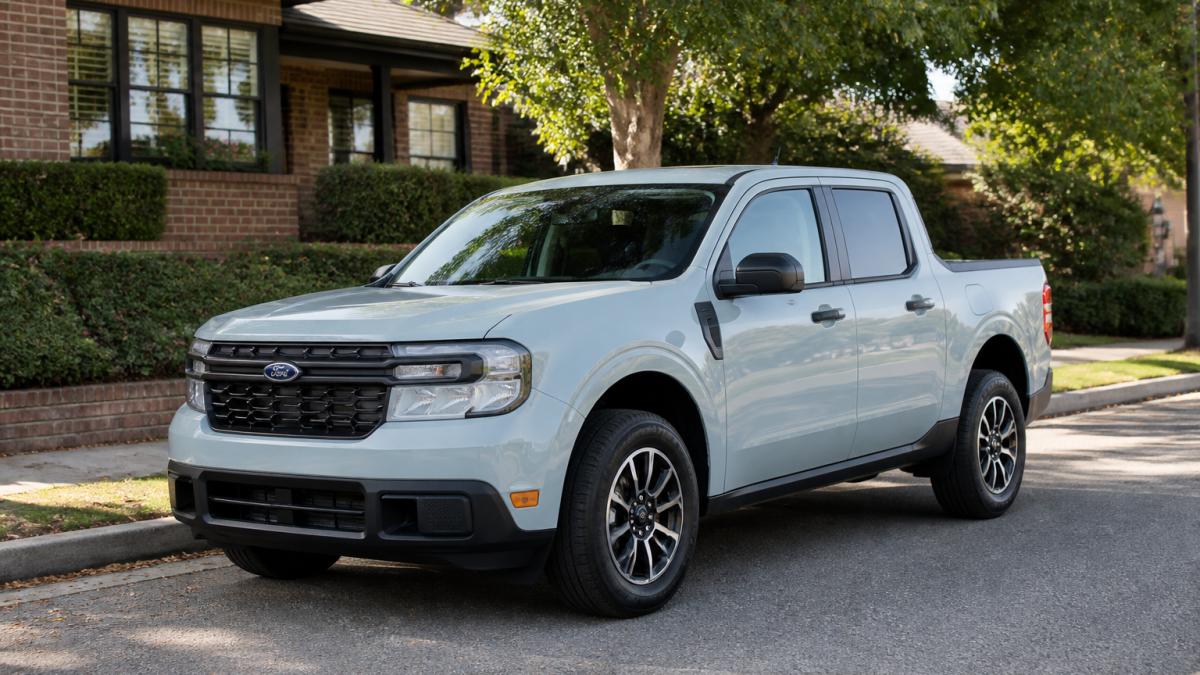
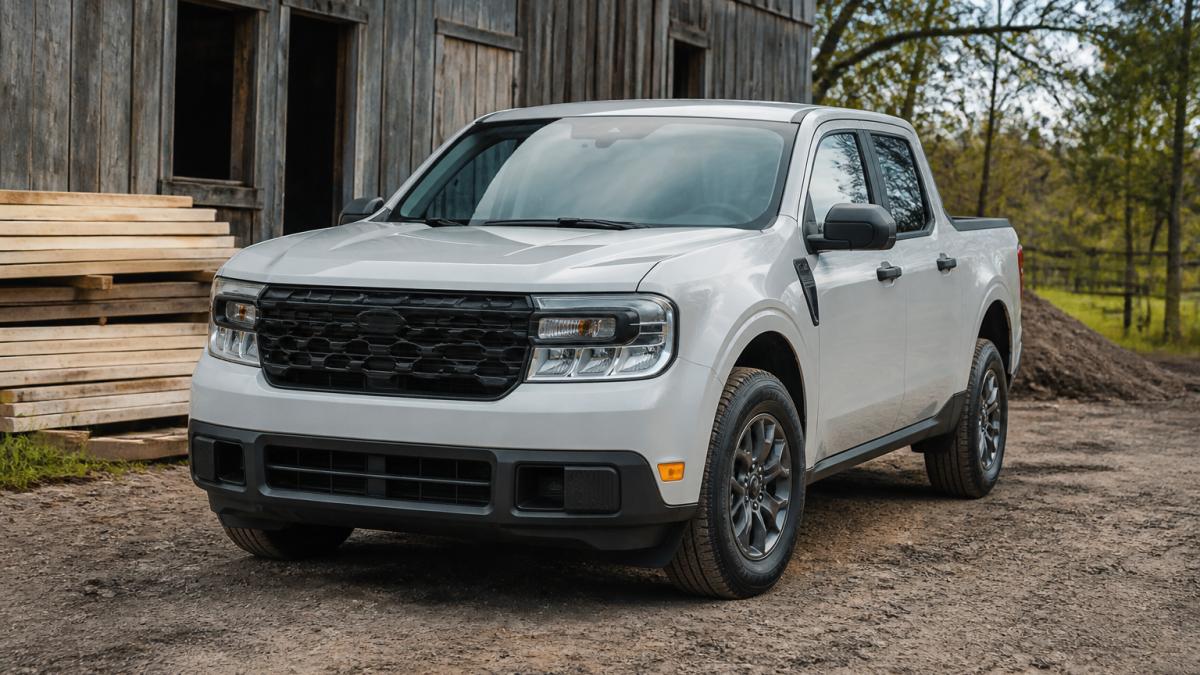
At Rusty Eck Ford, we've helped dozens of customers in the Wichita area evaluate this choice. The 2026 Maverick Hybrid starts at $28,145 with the hybrid powertrain as standard equipment Ford's 2026 Maverick specifications. You're deciding whether the hybrid's efficiency gains justify its $2,220 premium over the gas version Cars.com 2026 Maverick pricing comparison.
The real question isn't whether the hybrid is good. It's whether it's right for your specific driving patterns and budget timeline. This guide breaks down the numbers, real-world performance, and honest trade-offs so you can make the decision with confidence.
2026 Ford Maverick Hybrid MPG and Real-World Fuel Economy
EPA estimates tell one story. Owner experience tells another. For the 2026 Maverick Hybrid, these numbers matter because fuel economy is the primary reason to choose this powertrain.
The hybrid is rated at up to 38 mpg combined according to EPA standards Cars.com 2026 Maverick fuel economy data. The gas-powered EcoBoost version maxes out at 26 mpg combined. That's a 46% efficiency advantage on paper.
But here's where the numbers get interesting. One 2026 Maverick Hybrid XL owner reported 35 mpg on the highway and 45 mpg in the city after the first weeks of ownership.
EPA Estimates vs. Owner-Reported Numbers
The EPA rating of 38 mpg combined represents a balanced mix of highway and city driving under standardized conditions. It's a reliable baseline, but it's not a promise. Your actual mileage will vary based on driving habits, terrain, and traffic patterns.
Owner-reported numbers often exceed EPA estimates in city driving because hybrid systems excel at stop-and-go traffic. The electric motor handles acceleration from stops, and regenerative braking captures energy that would otherwise be wasted. Highway driving is different.
The gap between EPA estimates and real-world performance isn't unusual. What matters is understanding why it happens so you can predict your own results.
Highway Driving vs. City Driving Efficiency
City driving is where the hybrid shines. Frequent stops, variable speeds, and lower average velocity create the exact conditions where hybrid systems deliver their best efficiency.
Highway driving tells a different story. At constant speeds on Interstate 35, the hybrid engine runs continuously, and the electric motor contributes less. The same truck that hits 45 mpg in the city might deliver 32-35 mpg on the highway.
If your commute is primarily highway miles, the fuel savings math changes. The hybrid's efficiency advantage shrinks, and the price premium takes longer to recoup through fuel savings.
2026 Ford Maverick Hybrid Price and Total Cost of Ownership
Purchase price is only part of the equation. Total cost of ownership includes fuel, maintenance, repairs, and depreciation over the years you own the truck.
Upfront Purchase Price and Trim Options
The 2026 Maverick Hybrid starts at $28,145, making it one of the most affordable hybrid trucks on the market. The gas EcoBoost version begins lower, but the difference is manageable for most buyers.
Trim levels affect pricing and equipment. XL models come with basic features and lower starting prices. Lariat models add comfort and technology. The trim you choose matters more than the powertrain choice in some cases.
At Rusty Eck Ford, we help customers understand exactly what each trim includes so you're not overpaying for features you don't need. Our team can walk you through the equipment breakdown and help you find the right balance between capability and cost.
Hybrid Payback: Fuel Savings Over Time
The $2,220 premium for the hybrid pays for itself through fuel savings. How long that takes depends on your driving patterns and fuel prices.
Let's do the math.
But if you drive primarily in the city, hitting 40+ mpg in the hybrid while the gas model drops to 20 mpg, the payback accelerates. High-mileage commuters see even faster payback.
Maintenance costs also favor the hybrid slightly. Regenerative braking means brake pads last longer. Oil changes happen less frequently. These savings are modest, but they add up over time.
2026 Ford Maverick Hybrid vs. Gas: Powertrain Comparison
Choosing between the hybrid and gas powertrain means understanding what each one does well and where it falls short.
Performance, Horsepower, and Torque
The 2026 Maverick Hybrid pairs a 2.0-liter EcoBoost engine with electric motors to deliver responsive acceleration and smooth power delivery. The gas EcoBoost version uses the same engine without the electric assistance.
The hybrid doesn't sacrifice performance for efficiency. In fact, electric motors deliver maximum torque instantly, which means the hybrid feels quick off the line in city driving. The gas engine needs to build RPMs to reach peak power.
Highway acceleration and passing power favor the gas model slightly. At sustained high speeds, the engine does all the work in both versions, but the gas model doesn't split power between the engine and electric motors.
Towing Capacity and Truck Capability
The 2026 Maverick Hybrid can tow up to 4,000 pounds. That's enough for small trailers, jet skis, or light equipment hauling. It's not a heavy-duty truck, and it shouldn't be mistaken for one.
The gas model shares the same towing capacity. The hybrid doesn't sacrifice capability here. What matters is understanding that 4,000 pounds is the ceiling. If you regularly haul more than that, you need a larger truck.
Payload capacity (what you can carry in the bed) is where the hybrid shows a slight disadvantage. The battery and electric motor add weight, reducing payload compared to the gas version. For most users, this doesn't matter.
2026 Ford Maverick Hybrid Pros and Cons
Every vehicle is a collection of trade-offs. The hybrid excels in certain areas and accepts compromises in others.
Key Strengths for Daily Driving
Fuel efficiency. The hybrid delivers 38 mpg combined, which translates to fewer fill-ups and lower fuel costs. For city drivers, real-world numbers often exceed EPA estimates.
Smooth, quiet operation. The electric motor handles low-speed driving, which means less engine noise in traffic. The ride feels refined and composed.
Lower operating costs. Fuel savings, reduced brake wear, and less frequent oil changes add up to meaningful savings over time.
Strong resale value. Hybrid trucks are increasingly desirable. Your truck will hold its value better than comparable gas models.
Responsive acceleration in traffic. Electric motor torque makes city driving feel responsive and easy.
Limitations and Trade-Offs
Higher upfront cost. The $2,220 premium requires patience before fuel savings offset the expense.
Reduced payload capacity. The battery adds weight, cutting payload by several hundred pounds compared to the gas model.
Highway efficiency gap. At sustained highway speeds, the hybrid advantage shrinks. You're paying more upfront for savings that only materialize in city driving.
Limited towing capacity. 4,000 pounds is adequate for light hauling but not for serious truck work.
Battery concerns. Long-term battery reliability remains unknown for the 2026 model year. Replacement costs could be significant if issues arise after warranty coverage ends.
Is the Hybrid Right for Your Use Case?
The best powertrain choice depends on how you actually drive and what you plan to haul.
Best For: Commuters and City Drivers
The hybrid makes the strongest case for daily commuters in urban areas. If your typical drive involves traffic lights, surface streets, and frequent stops, the hybrid's efficiency advantage is substantial. Your actual fuel economy will exceed EPA estimates, and the $2,220 premium breaks even in 5-7 years.
City drivers also benefit from the quiet, smooth operation. Less engine noise means a more pleasant commute.
Consider the Gas Model If: Heavy Towing or Off-Road Duty
If you regularly tow trailers or haul heavy equipment, the gas model deserves serious consideration. The extra payload capacity matters when you're working, and you don't need the hybrid's efficiency advantage if you're not driving in stop-and-go traffic.
Off-road duty also favors the gas model. The hybrid system adds complexity that could complicate repairs in remote areas. For weekend adventures far from service centers, simplicity matters.
Long-distance highway travelers should also evaluate the gas model carefully. If half your driving is highway miles at steady speeds, the hybrid's efficiency advantage shrinks significantly, and the upfront cost premium becomes harder to justify.
Owner Impressions and Long-Term Reliability
Real owners offer insights that specification sheets can't provide. Owner reviews for the 2026 Maverick Hybrid reflect genuine satisfaction.
Owners consistently praise fuel economy, driving ease, and practicality. The truck's compact size makes parking and maneuvering simple in urban environments. The hybrid powertrain delivers the efficiency gains owners expect.
Long-term reliability data for the 2026 model year remains limited. The hybrid system is proven technology, but real-world durability in this specific truck will take time to assess. Warranty coverage provides some protection, but extended warranty options are worth evaluating if you plan to keep the truck beyond 100,000 miles.
Conclusion: Making Your Decision
The 2026 Ford Maverick Hybrid is worth it if your driving patterns align with the hybrid's strengths. City commuters, high-mileage drivers in urban areas, and buyers prioritizing fuel efficiency will see real value. The premium breaks even within 5-7 years for typical city drivers, and resale value remains strong.
If you drive primarily on highways, haul heavy loads regularly, or need maximum payload capacity, the gas model deserves consideration despite its lower fuel economy.
At Rusty Eck Ford, our team has guided Wichita customers through this exact decision. We offer competitive financing programs, comprehensive trade-in valuations, and honest guidance about which powertrain fits your lifestyle. Schedule a test drive with us to experience both versions and make an informed decision based on how the truck actually drives in your typical conditions.
| Consideration | Hybrid Advantage | Gas Advantage |
|---|---|---|
| City driving efficiency | 40+ mpg typical | 20-22 mpg typical |
| Highway efficiency | 32-35 mpg | 24-26 mpg |
| Upfront cost | $28,145 starting | $2,220 less |
| Payload capacity | Slightly reduced | Standard capacity |
| Towing capacity | 4,000 lbs | 4,000 lbs |
| Brake wear | Reduced by regenerative braking | Normal wear |
| Operating costs | Lower fuel and maintenance | Higher fuel costs |
Frequently Asked Questions
What is the fuel economy of the 2026 Ford Maverick Hybrid?
The 2026 Ford Maverick Hybrid is rated at up to 38 mpg combined by EPA standards. Front-wheel-drive models achieve up to 42 mpg city and 35 mpg highway, while all-wheel-drive variants deliver slightly lower figures. Real-world results vary: one owner reported 45 mpg in city driving and 35 mpg on the highway, though individual results depend on driving habits, terrain, and conditions.
How much does the 2026 Ford Maverick Hybrid cost?
The 2026 Maverick Hybrid starts with the hybrid powertrain as standard equipment. The hybrid version costs more than the EcoBoost gas option on comparable trims. Pricing varies by trim level and options. Contact Rusty Eck Ford for current pricing, trim details, and available incentives on the exact configuration you're interested in.
Is the 2026 Ford Maverick Hybrid better than the gas model?
The hybrid excels in fuel efficiency, delivering up to 38 mpg combined versus 26 mpg for the EcoBoost gas engine. The trade-off is a higher purchase price and slightly lower towing capacity. For commuters and city drivers prioritizing fuel savings, the hybrid wins. For heavy hauling or construction work, the gas engine may be more practical. Your choice depends on annual mileage, driving patterns, and towing needs.
What are the main disadvantages of the 2026 Ford Maverick Hybrid?
The hybrid costs more upfront, which can take several years of fuel savings to offset depending on your driving. Towing capacity is limited to 4,000 pounds, making it less suitable for heavy construction equipment. The hybrid system adds complexity, potentially affecting long-term repair costs outside of warranty coverage. Owner feedback emphasizes easy, quiet operation for everyday use.
Is the 2026 Ford Maverick Hybrid reliable?
Owner reviews for the 2026 Maverick Hybrid cite good fuel economy and practical daily usability. Owner feedback emphasizes the truck's reliability for commuting and city driving. However, hybrid battery longevity and repair costs after warranty expiration remain long-term unknowns. Ford's warranty coverage on the hybrid system provides some assurance, but consult Rusty Eck Ford about specific warranty terms and extended service options.